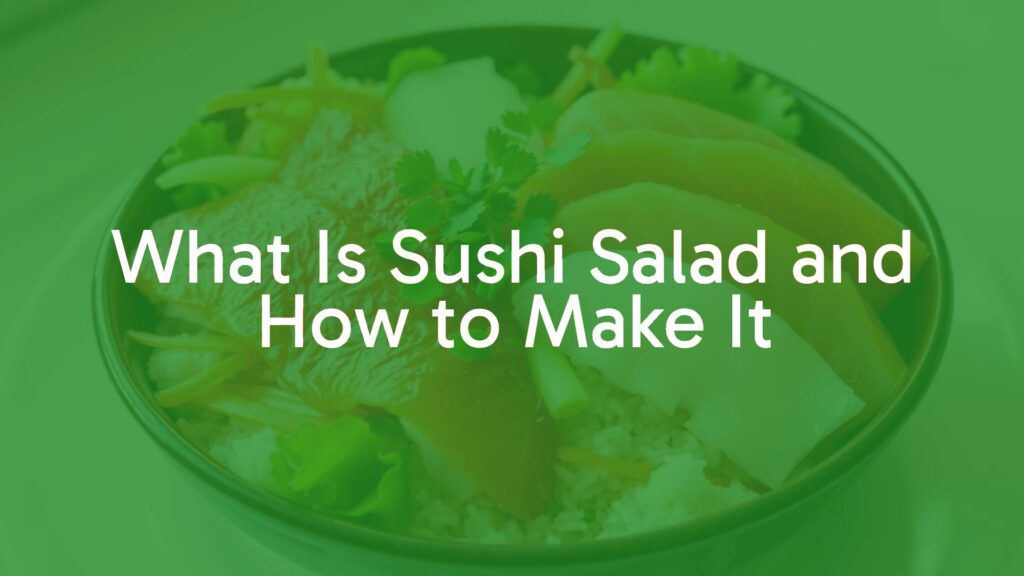
Sushi salad is like a sushi roll taken apart and put into a bowl or on a plate, offering the same tasty flavors and textures of regular sushi, but in a more relaxed way. Think about your favorite sushi ingredients-fresh fish, bright veggies, and seasoned rice-all served together without needing to roll them up in seaweed. This fun dish started as an easier method to enjoy sushi flavors at home, especially for people who don’t have sushi-making tools or the patience for rolling. Sushi salad is flexible and easy to change based on what you have in your fridge and your tastes. It’s become a popular choice for quick meals, family get-togethers, and even as a fancy starter. If you want sushi without the hassle, this answers your craving quickly and easily.

What makes sushi salad so great is how simple and adaptable it is. You can use whatever ingredients you like, letting you fit the dish to any diet or what’s available. No matter your kitchen skill level, putting together a sushi salad is much simpler than rolling sushi. Its fresh flavors and easy prep have made it a favorite substitute for classic sushi rolls.
What Is Sushi Salad?
Sushi salad is a creative take on sushi for those who love the taste but want something easy. It uses the main parts of sushi-flavored rice, fresh or cooked protein, and crunchy vegetables-served in a bowl or on a platter, skipping the step of rolling. This way, you keep the classic sushi flavor and look but get a meal you can put together fast and adjust how you like. Sometimes it’s called “deconstructed sushi” or a “sushi bowl” for this reason.
This idea got popular as people wanted the flavors of restaurant sushi at home, but without lots of time or special skills. Maria Lichty from “Two Peas and Their Pod” says her family began making sushi salad because going out for sushi with a baby was difficult. Many people agree, which is why sushi salad is a practical and yummy choice for an at-home meal.
How Sushi Salad and Traditional Sushi are Different
Sushi salad and regular sushi taste similar but look and are made differently. The main difference is there’s no rolling needed. Regular sushi, like maki rolls and nigiri, uses special skills and a bamboo mat to shape everything. Sushi salad skips the shaping and just mixes or layers the ingredients in a bowl or on a serving platter.
Another difference is how you arrange the ingredients. Sushi rolls are tightly packed with toppings inside. In sushi salad, you can layer or toss everything more freely, letting you try all sorts of combinations you might struggle to roll. Sushi salad also gives you more ways to use cooked proteins, like baked salmon or tofu, so it’s great if you want to avoid raw fish or want a vegetarian option.
Why Sushi Salad Is So Liked
Sushi salad has become so popular mainly because it’s so easy and quick to make. There’s no need to learn to roll sushi or use special tools. This makes it perfect for busy days or last-minute meals. You can even prepare some parts in advance, making dinner even faster to put together.
It’s also very flexible. Whether you’re vegan, gluten-free, or just like certain types of fish, sushi salad can be changed to fit you. You can mix up the proteins, veggies, and sauces, making it different every time. Plus, it looks great with its colorful ingredients, making it nice to show off or serve to guests.
Health Benefits and Nutritional Info of Sushi Salad
With the right ingredients, sushi salad can be a very balanced and nutritious meal. You can make it healthier or lighter, packing it with lean protein, healthy fats, whole grains, and lots of vitamins from fresh vegetables.
Things like sushi rice offer energy, and proteins such as fish, tofu, or edamame give you a solid amount of protein. Healthy fats from avocado and sesame oil support your heart, while veggies add fiber and important vitamins. Depending on the rice, protein, and dressing you use, the nutrition will change.

Calories and Macronutrients
Calories and nutrients in sushi salad depend on what you add and how much. For example, a serving of California Roll Sushi Salad might be around 491 calories, with 8g of fat, 90g of carbohydrates, and 13g of protein. Most of the calories come from rice and the sugar used in seasoning and dressing.
Here’s a simple comparison:
| Ingredient Choice | Calories (approx.) | Fat (g) | Carbs (g) | Protein (g) |
|---|---|---|---|---|
| California Roll Style | 491 | 8 | 90 | 13 |
| With Spicy Mayo | Higher | Higher | Similar | Similar |
| With Lean Protein & Light Dressing | Lower | Lower | Lower | Similar or Higher |
Adding more avocado or richer dressings will push the fat and calorie counts up. Using tofu, shrimp, or a vinegar-based dressing will keep things lighter. Brown rice has more fiber, while white sushi rice has more starch. Keep these in mind to meet your nutritional goals.
Diet-Friendly Versions (Vegan, Gluten-Free, Low-Carb)
- Vegan: Replace fish and crab with tofu, tempeh, or extra edamame. Use lots of veggies and a plant-based dressing.
- Gluten-Free: Use tamari instead of soy sauce. Double-check dressings and sauces to avoid any wheat.
- Low-Carb: Swap out sushi rice for cauliflower rice, shredded cabbage, or an extra pile of greens to cut carbs but keep the flavor.
Possible Allergens
Watch for common allergens like soy, sesame, and sometimes egg, which can be found in ingredients like soy sauce and mayonnaise-based dressings. Soy often shows up in soy sauce, tofu, and edamame. If you’re allergic, avoid these or use alternatives. Sesame is common in the oil and seeds-be sure to skip these if you need to. Imitation crab can also include both fish and egg, so check carefully if allergies are a concern. Always read labels, especially for store-bought sauces.
The Most Common Sushi Salad Ingredients
Sushi salad brings together many fresh and colorful ingredients just like traditional sushi, but you can adjust them to fit your taste. A typical sushi salad has seasoned rice, a protein, a mix of vegetables, and a tasty dressing. Toppings like sesame seeds and nori add final touches for texture and looks. Using fresh produce and quality fish or tofu will make your salad even better.

Proteins: Salmon, Tuna, Crab, Tofu
- Salmon: Raw or cooked, often flaked and baked with seasonings.
- Tuna: Raw or lightly seared.
- Imitation Crab: Used in California rolls, easy and affordable.
- Tofu: Great for plant-based versions-can be raw, baked, or pan-fried.
- Other ideas: Cooked shrimp, lox, or fish sticks for crunch.
Vegetables: Cucumber, Avocado, Edamame, Seaweed
- Cucumber: Crisp and refreshing.
- Avocado: Creamy and full of good fats, best added right before eating.
- Edamame: Soft but a little crunchy, plus extra protein.
- Seaweed: Nori strips or crumbled pieces for an ocean flavor.
- More choices: Carrots (for sweetness), pickled ginger, green onions, or even fruit like mango or pear for a sweet kick.
Rice and Other Base Options
- Sushi Rice: Short-grain, sticky, seasoned with rice vinegar, sugar, and salt.
- Brown Rice: More fiber, less sticky, but works well.
- Cauliflower Rice: Great for low-carb diets.
- Quinoa or Cabbage: Other options for different nutrition or texture.
Make sure whatever base you choose is cooked and seasoned well for the best result.
Toppings and Garnishes: Sesame Seeds, Nori, Scallions
- Sesame Seeds: Toasted for crunch and flavor.
- Nori: Adds that sushi taste and crispiness.
- Scallions: Mild onion flavor and color.
- Other ideas: Furikake, crispy onions, or chili flakes for heat.
Dressing Options: Spicy Mayo, Soy Sauce, Sesame-Miso
- Spicy Mayo: Mayo, sriracha, a little sesame oil. Rich and spicy.
- Soy Sauce Dressing: Soy sauce, rice vinegar, sugar, sometimes ginger or wasabi for a classic taste.
- Sesame-Miso: Miso paste, sesame oil, mirin, and sugar for a nutty, deep flavor.
You can pick the dressing you like best or make your own mix.
How to Make Sushi Salad at Home
Making sushi salad at home is easy and fun. There are three main steps: cook and season the rice, chop and prepare your toppings, and mix up the dressing. You just need a little time and planning, but in under an hour, you’ll have a colorful, tasty meal ready for any night of the week.
Home-made sushi salad lets you control the ingredients and freshness. Pick your favorite proteins and load up on your best veggies. A few basic kitchen tools will make the whole process easier and help get a great result every time.
Basic Equipment Needed
- Pot with tight lid or rice cooker for the rice
- Sharp knife and cutting board for chopping
- Large mixing bowl for combining everything
- Small bowls for dressings and toppings
- Whisk or fork for dressing
- Large platter if serving family-style
Simple Steps to Prepare Sushi Salad
- Rinse sushi rice until water is mostly clear to remove extra starch.
- Cook rice according to directions (usually simmered in water, then steamed covered for about 10 minutes).
- Heat together rice vinegar, sugar, and salt until dissolved; mix into cooked rice and let cool.
- While rice cools, chop up cucumbers, carrots, and any other vegetables. Slice avocado just before using. Flake cooked salmon or prep raw fish if using (make sure it’s sushi-grade).
- Mix your dressing ingredients in a small bowl.
- In a big bowl or platter, layer or toss your rice, veggies, and protein. Drizzle dressing on top and finish with your favorite toppings like sesame seeds and nori.

Tips for the Best Sushi Rice
- Always rinse rice well to avoid stickiness.
- Use the correct water-to-rice ratio (about 1:1.25 for sushi rice).
- Let the rice rest, covered, after cooking to make it fluffy.
- Gently fold in the vinegar mix; avoid crushing the grains.
- Let your rice cool to room temperature before adding toppings, so veggies stay crisp and fresh.
Sushi Salad Assembly and Serving Ideas
You can layer sushi salad in single-serving bowls or on a big platter for sharing. Start with rice at the bottom, then add your protein, followed by vegetables neatly arranged on top. Finish with a drizzle of dressing and sprinkle your chosen garnishes. For a fancier touch, use molds to shape rice on plates and top with other ingredients.
Make-Ahead and Storage Tips
- Cook rice and chop veggies up to two days ahead. Keep everything in separate airtight containers in the fridge.
- Dressings can be made ahead and stored in the fridge for several days.
- Wait until just before eating to slice avocado and add raw fish for best freshness.
- Eat sushi salad with raw fish as soon as possible. Sushi salad with only cooked protein can be kept up to 1-2 days.
Sushi Salad Recipe Ideas and Variations
Sushi salad is very flexible. You can remix flavors and ingredients to match your tastes, diet, or even just your mood. Here are a few tasty ideas:

- Deconstructed Sushi Bowl: Layer sushi rice, cucumber, avocado, edamame, and a protein like tuna or salmon. Top with spicy mayo or soy sauce and sprinkle with nori and sesame seeds.
- Spicy Salmon Sushi Salad: Use baked or raw salmon mixed with a spicy mayo. Add avocado, rice, cucumber, and edamame.
- California Roll Sushi Salad: Combine rice, imitation crab, cucumber, and avocado. Toss with soy or a sweet mayo-based dressing.
- Vegan Sushi Salad: Use tofu, edamame, cucumber, avocado, carrots, and nori with a simple soy-based or sesame-miso dressing.
- Keto Sushi Salad: Swap sushi rice for cauliflower rice, use salmon or tuna, load up on avocado and low-carb veggies, and stick with high-fat dressings.
Tips for Making and Enjoying Sushi Salad
To make your sushi salad extra tasty and attractive, follow these tips:
- Serving with other dishes: Serve with miso soup, edamame, gyoza, spring rolls, or tempura for a bigger meal. Drinks like green tea, sake, or a dry white wine match well.
- Using fresh ingredients: Freshness matters most-use good-quality fish (sushi-grade if raw), fresh veggies, and spot-free nori sheets.
- Nice presentation: Arrange ingredients attractively on a platter in sections or in clear bowls. Garnish with lots of sesame seeds, scallions, and nori for color. Offer extra toppings and dressings on the side so people can personalize their salad.
Frequently Asked Questions about Sushi Salad
Is it safe to use raw fish in sushi salad?
Yes, but only use fish labeled “sushi-grade” for safety. Buy from a reliable fish market or seafood counter. If you’re not sure, or want to avoid raw fish, use cooked salmon, shrimp, or imitation crab instead.
How long can sushi salad be stored in the fridge?
If it has raw fish, it’s best eaten as soon as possible-within a few hours at most. Sushi salad with only cooked protein and no raw fish lasts 1-2 days in the fridge. Rice can be made 2-3 days ahead, but avocado and other fresh toppings should be added right before serving.
Can you make sushi salad without rice?
Definitely! You can swap out rice for cauliflower rice, greens, or even shredded cabbage. This is great for low-carb versions or if you want something lighter. Mix with your favorite sushi toppings and sauces for a tasty alternative.
