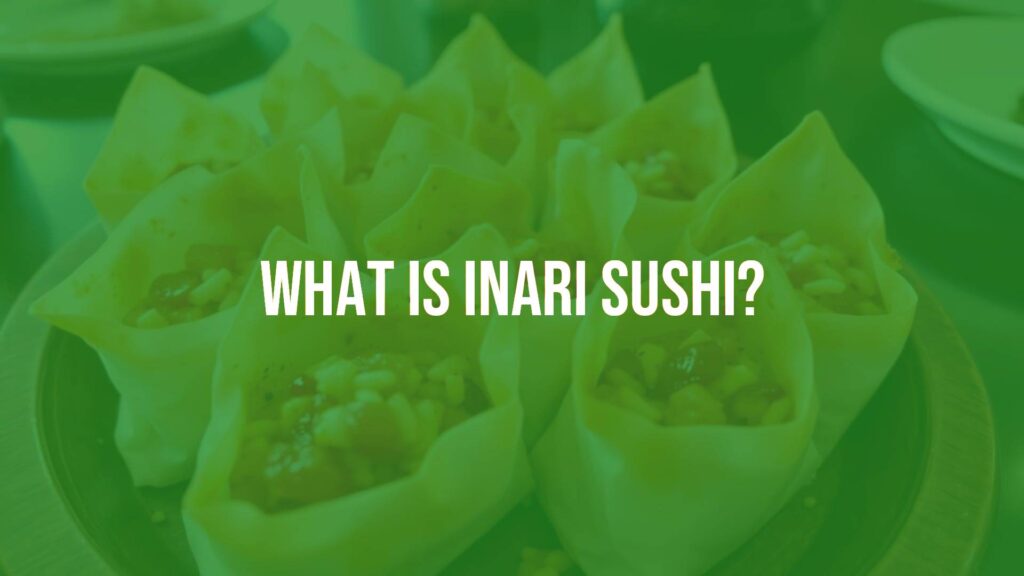
Inari sushi, called Inarizushi in Japan, is a simple and tasty type of sushi that is different from sushi like nigiri or maki. It is made by filling a pouch of seasoned, deep-fried tofu (aburaage) with vinegared sushi rice. This dish is known for its sweet and savory taste, as well as its soft texture. Unlike many other types of sushi that contain raw fish, Inari sushi is vegetarian, which makes it a favorite among kids, vegetarians, and anyone looking for a plant-based meal. It works well as a snack, a light lunch on a picnic, or a comforting addition to a meal.

This sushi is popular among home cooks in Japan and is becoming well-liked worldwide. Whether you want a quick meal or something to put in your bento box, Inari sushi offers a delicious and satisfying bite that has been enjoyed for generations.
What Is Inari Sushi?
At its core, Inari sushi is a straightforward dish that uses basic ingredients to make something special. The dish features a mild balance of textures and flavors-the soft, chewy outside of the tofu pouch and the seasoned, firm vinegared rice inside. This combination is comforting and appealing to many people.
Main Features of Inari Sushi
- Tastes and Textures: The standout feature is the deep-fried tofu pouch (aburaage), which is fried twice to make it hollow and flexible for filling. These pouches are simmered in a sweet and savory broth so they soak up lots of flavor.
- Seasoned Rice: The sushi rice (sumeshi) is not just plain rice but is mixed with rice vinegar, sugar, and salt, which gives it a tangy flavor and shiny appearance. Sesame seeds are sometimes mixed in for extra flavor and crunch.
Where Does the Name Come From?
The word “Inari” comes from Japanese folklore and religion. Inari Ōkami is the god of rice and good fortune in the Shinto religion, and foxes are known as the god’s messengers. At Inari shrines in Japan, people offer deep-fried tofu pouches to fox statues as foxes are thought to like these treats. Over time, people began filling these pouches with rice, and the dish was named Inarizushi or Oinari-san. This tradition has lasted for over 170 years.

How Is Inari Sushi Different from Other Sushi?
- Wrapper: Unlike nigiri (which uses fish) or maki (with seaweed), Inari sushi uses a tofu pouch as the wrapper.
- Vegetarian: Inari sushi is almost always vegetarian unless the tofu is cooked in a broth that contains fish.
- Flavor: It’s usually sweet and savory, unlike most sushi that has more of a sea flavor from fish or seaweed.
- Cultural Use: This sushi is usually found in home lunches, convenience stores, and picnics rather than at formal sushi bars.
How Did Inari Sushi Begin?
Inari sushi goes back to the Edo period (1603-1868) in Japan. Some say it first appeared in Nagoya 300 years ago. Writings from the time show it was common in Edo (now Tokyo) by the mid-1800s. Inari sushi was affordable, about the same price as a bowl of noodles, so workers and everyday people enjoyed it. When other types of sushi were temporarily banned for being too expensive or luxurious, Inari sushi became even more popular.
Role in Festivals and Traditions
Inari sushi is connected with the Inari deity and foxes and is served at festivals like the Hatsu-uma Festival in February, where people pray for good harvests and luck. It often appears at celebrations, picnics, and in lunchboxes, showing how it is both a lucky and familiar food. The golden brown color and the pouch shape, sometimes made to look like fox ears, make it popular at parties and family events.
Regional Styles of Inari Sushi
Different areas in Japan have their own style of making Inari sushi. While it always involves tofu pouches with rice, the shape, seasoning, and fillings can change from place to place.
Kanto (Tokyo-Style)
- Shape: Barrel-shaped, like a straw bag, with rice completely sealed inside.
- Flavor: Stronger sweet and salty flavor from dark soy sauce; rice is usually plain and white.
Kansai (Osaka-Style)
- Shape: Triangular, sometimes exposed at one end, and may look like a fox’s ear.
- Flavor: Lighter seasoning with dashi (broth from kelp and bonito), and rice often mixed with mushroom, carrots, or other vegetables (gomoku-meshi).

Other Local Varieties
- Tsuwano-chō, Shimane: “Kuro-Inari” with dark brown sugar or soy for a rich flavor and color.
- Aomori: Uses red mochi rice for color and texture.
- Ibaraki: “Soba Inari” replaces rice with buckwheat noodles.
- Gifu and Kochi: Use konnyaku (a gelatinous yam cake) instead of tofu for fewer calories.
Shapes and Wrapping Styles
- Barrel (Tawara): Fully closed, common in Kanto.
- Triangle (Sankaku): Often leaves rice exposed, common in Kansai.
- Some styles are left open at the top and topped with vegetables or egg strips. In Kumamoto, a rolling method is used because local tofu skin doesn’t form pockets easily.
Flavor Variations
- Kanto: Uses more sugar and dark soy sauce for a strong, sweet-salty flavor.
- Kansai: Uses light soy sauce and dashi for a gentle, subtle taste.
- Rare types, like Kuro-Inari, use brown sugar for a darker color and deeper sweetness.
What Are the Main Ingredients?
Despite looking simple, Inari sushi relies on a few key ingredients that each need proper preparation. When made well, these basic foods become something special.
| Ingredient | Description / Use |
|---|---|
| Aburaage (Tofu Pouches) | Sliced tofu, fried twice, then simmered in a sweet and savory broth. This gives a soft, flavorful wrapper for the rice. |
| Seasoned Vinegared Rice | Short-grain Japanese rice, mixed with rice vinegar, sugar, and salt. Sometimes includes sesame seeds or other simple mix-ins for flavor. |
| Fillings/Toppings | The basic form is just rice, but modern versions can include egg strips, pickled ginger, vegetables, or seafood toppings. |
Fillings and Toppings for Inari Sushi
Traditional Inari sushi is quite plain, but it can easily be changed up with a variety of fillings and toppings for more color, flavor, or nutrition.
Vegetarian/Vegan Choices
- Core ingredients (tofu and rice) are plant-based and naturally vegan.
- Make sure the broth for simmering the tofu is also plant-based (not made with fish flakes).
- Common vegan toppings: toasted sesame seeds, carrots, edamame, pickled ginger, shiitake mushrooms, or chopped pickles. Even okara (soy pulp) has been used as a filling.
Popular Extras (Sesame, Ginger, Egg, Seafood)
- Sesame seeds add a nutty flavor and mild crunch to the rice.
- Finely diced pickled ginger gives a tart and fresh taste, balancing the sweet tofu.
- Kinshi tamago (thin egg strips) is a bright, soft topping often used, especially when the pouch is left open at the top.
- Seafood toppings like shrimp, salmon roe, or canned tuna may be added, though traditional versions are meat-free.
How to Make Inari Sushi at Home
Making Inari sushi at home is straightforward and easier than many sushi styles. You can adjust the taste to your liking and pick your favorite fillings.
Steps to Prepare:
- Prepare Aburaage: If starting with unseasoned pouches, press them to open, then blanch quickly in hot water to remove extra oil. Simmer them in a mixture of dashi, soy sauce, mirin, and sugar for about 10-15 minutes, then let cool in the liquid for more flavor. You can leave them to soak overnight for a stronger taste.
- Cook Sushi Rice: Use Japanese short-grain rice. Wash the rice well, soak, and cook it. Mix in sushi vinegar (rice vinegar, sugar, and salt) while it’s hot, using a gentle motion to avoid smashing the grains. Fan the rice as you mix for better texture and shine, then keep the rice covered with a damp cloth until you are ready to use it.
- Assemble: Squeeze any extra liquid from the tofu pouches. Open each one carefully. With damp hands, pinch a small amount of rice (about 1/4 cup), form it into a small log, and place it inside the pouch. Fold the edges over, or, for open-top styles, leave some rice exposed and add toppings.

Tips for Best Results
- Let aburaage soak up plenty of flavor during simmering or overnight in marinade for better taste and texture.
- Avoid over-packing the rice; keep it airy but well-shaped so the pouch doesn’t break.
- Adjust sugar and salt to suit your preference.
Should You Use Store-Bought or Homemade Inari Age?
Both options are fine, and each has its positives.
Homemade Inari Age
- You control the sweetness, salt, and flavor.
- Better for strict vegans or people who want fewer preservatives and more natural ingredients.
- You can make a big batch and freeze extras.
Store-Bought Inari Age
- Saves time-ready to use, just drain and stuff with rice.
- Found in most Asian grocery stores, either in the fridge or in cans.
- Helps make Inari sushi a quick meal or lunch.
How to Store and Serve Inari Sushi
Inari sushi tastes best on the day it is made. The rice is meant to be eaten at room temperature. If you need to keep it for later:
- Store in an airtight container or wrap tightly with plastic. Wrapping the container in a kitchen towel helps stop the rice from drying in the fridge.
- Do not leave at room temperature for long, especially if it’s hot.
- For longer storage, freeze each piece separately and then put them in a freezer-safe bag. To eat, reheat gently in the microwave.
Serving Suggestions
- As a snack, light lunch, or part of a bento box.
- With other Japanese dishes like miso soup, green salad with dressing, or pickled ginger.
- Good for parties and family dinners since it suits all ages and tastes.

Where Can You Find Inari Sushi in Japan and Abroad?
Inari sushi is easy to find in Japan and is becoming more popular overseas too.
Places to Buy Inari Sushi
- Convenience stores and supermarkets in Japan sell Inari sushi every day, often in sets or with mixed sushi rolls.
- Casual sushi shops and bento stores usually have fresh Inari sushi with different fillings and flavors.
Specialty Restaurants and Festivals
- Some old, traditional sushi shops in areas like Tokyo’s Asakusa offer specialty Inari sushi with carefully balanced taste.
- High-end restaurants may put modern twists on the dish.
- At festivals and tourist spots, food stalls often sell Inari sushi as a quick, tasty snack.
Frequently Asked Questions and Fun Facts
There are many interesting things to learn about Inari sushi:
Why Foxes?
In Japanese folklore, foxes (kitsune) are believed to be messengers for the rice deity Inari, and they are said to love deep-fried tofu. Many shrines offer tofu pouches to fox statues, which is how the dish got its name.
Is Inari Sushi Always Vegan?
The basic ingredients are vegan, but check how the tofu pouches are seasoned. If fish-based broth is used, the dish is not vegan. Look for tofu pouches made with plant-based broths if you want a completely vegan version. Many packaged types now label if they are vegan-friendly.
Calories and Nutrition Facts
| Nutrient (approx. per piece) | Amount |
|---|---|
| Calories | 98-100 kcal |
| Carbohydrates | 18g |
| Protein | 2g |
| Fat | 1g |
| Sugar | 3g |
| Fiber | 1g |
| Sodium | 124mg |
| Potassium | 25mg |
| Calcium | 11mg |
| Iron | 1mg |
Inari sushi makes a convenient and fairly healthy snack or meal, especially if you want something plant-based and easy to eat.
