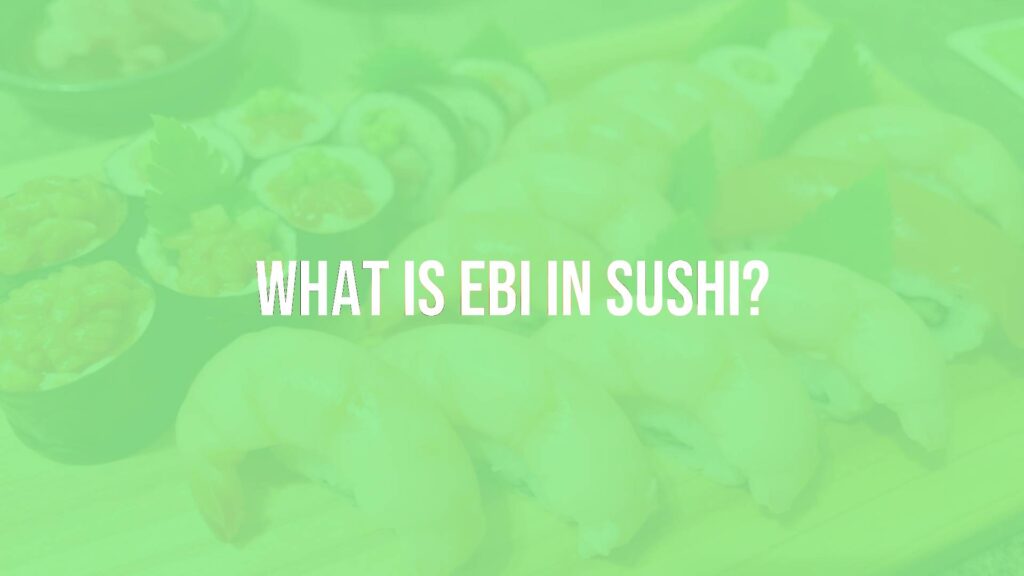
Ebi in sushi simply means shrimp. Shrimp is a popular and flexible ingredient in Japanese cooking. While many people think sushi is just about raw fish, ebi provides a tasty alternative with its mild, slightly sweet flavor and special texture. Ebi can be served both raw and cooked, making it a favorite in all kinds of sushi, from classic nigiri to creative rolls.
Ebi’s popularity comes from how many ways you can prepare it. Boiled, grilled, or raw-all these methods bring out different qualities in the shrimp. This variety appeals to everyone, whether you are new to sushi or have been eating it for years.

What Does Ebi Mean in Sushi?
In Japanese, “ebi” mainly refers to shrimp or prawn. While it could be used for other shellfish like crab or lobster, in sushi, it almost always means shrimp. Ebi sushi means that shrimp is the main topping on vinegared rice.
Good ebi sushi starts with fresh, high-quality shrimp. Chefs pick the best shrimp possible because the real taste of ebi should shine, whether served as sushi or sashimi. Focusing on fresh ingredients and careful preparation is why ebi is so important in Japanese food.
What Does Ebi Mean in Japanese Food?
The word “ebi” in Japanese simply means shrimp or prawn. There are many kinds of shrimp, and each one has a slightly different taste or texture. Ebi is used in a lot of Japanese dishes, not just sushi, including soups, tempura, or hot pots. Chefs pick the right type of ebi for each dish, showing the shrimp’s best qualities.
How Is Ebi Different From Other Sushi Toppings?
When you think of sushi, you might picture tuna, salmon, or yellowtail. Ebi stands out because it’s often served both cooked and raw, unlike many fish that are mostly served raw. Its mild sweetness and slightly firm but tender texture are different from the richer, oilier fish. Cooked ebi is also less “scary” for people who are new to sushi or unsure about eating raw seafood. Plus, ebi goes well with many other ingredients, making it a useful option for chefs.
Common Myths About Ebi Sushi
- Some believe ebi in sushi is always raw. In reality, most ebi used for sushi is cooked by boiling, steaming, or frying (like tempura). Only special types, such as amaebi (sweet shrimp), are typically served raw.
- Others think “ebi” is only one specific kind of shrimp. In fact, “ebi” just means shrimp, and many types are used for sushi, each bringing different flavors and textures.

What Kinds of Shrimp Are Used for Ebi in Sushi?
There are many kinds of shrimp used in sushi, each chosen for its size, taste, or when it’s in season. Chefs select different types to create special flavors and textures in their dishes. Here are some of the most common types found in sushi:
| Shrimp Name | Description | Typical Use |
|---|---|---|
| Kuruma ebi | Large, also known as Japanese tiger prawn; firm and sweet | Mostly boiled for high-end nigiri; heads sometimes grilled and served |
| Amaebi | “Sweet shrimp”; small, clear, sweet, and soft | Usually served raw as nigiri or sashimi |
| Botan ebi | Spot prawn; bigger than amaebi, often even sweeter, slightly crunchy | Served raw as nigiri; heads may be fried or salted |
| Sakura ebi | Small, pink “cherry blossom shrimp” | Used raw, cooked, dried, as garnish, in tempura, or in salads |
| Shiro ebi | “White shrimp”; very small, delicate, and sweet | Often served raw in sushi, sometimes marinated with seaweed |

Is Ebi Served Raw or Cooked in Sushi?
Whether ebi is served raw or cooked depends on the type of shrimp and how it’s meant to taste. Shrimp like amaebi and botan ebi are mostly served raw for their natural sweetness. Others, such as kuruma ebi, are usually briefly boiled. The chef decides the preparation based on the shrimp’s freshness, the style of sushi, and the flavor they want to create. Both ways provide a special taste experience.
Why Is Ebi Usually Cooked?
- Cooking shrimp helps remove bacteria, making it safe to eat, especially if it won’t be served immediately.
- Boiling gives shrimp a firmer, bouncier texture and a pink color, both considered appealing.
- Cooking also brings out extra sweetness in some types of shrimp, but overcooking makes them tough.
Safety and Texture
- Freshness is key when eating raw ebi; it must be handled carefully to avoid illness. Top sushi places keep shrimp alive until use.
- When raw, ebi is soft and tender. Cooking gives it a chew and bounce, which many people enjoy.
How Is Ebi Made and Served in Sushi Restaurants?
There are several ways to find ebi in a sushi restaurant. The way it’s prepared usually highlights its color, flavor, and texture.
- Ebi Nigiri: The most familiar style-shrimp is placed on top of a small ball of vinegared rice, often with the tail left on. Commonly, the shrimp is butterflied and boiled.
- Ebi Sashimi: Raw slices of shrimp with no rice. This prepares diners to taste the shrimp itself.
- Ebi Maki: Shrimp pieces (sometimes tempura-fried) are rolled with sushi rice and seaweed, often combined with other fillings like avocado or cucumber.
- Ebi Tempura Roll: Shrimp fried in a light batter is rolled with rice and seaweed; this adds crunch.
- Chirashi Bowls: Shrimp, either raw or cooked, is placed on top of a bowl of sushi rice with other toppings.

How to Make Ebi Nigiri Sushi at Home
Making your own ebi nigiri is easier than you think if you follow a few steps. The most important part is starting with fresh shrimp and properly cooking and preparing them. Here’s a simple guide:
- Choose Your Shrimp: Large, fresh shrimp (about 12-15 per pound) work best. Thaw them if frozen and keep them chilled until use.
- Straighten the Shrimp: Slide a skewer through the shrimp from head to tail. This keeps them straight while boiling.
- Cook the Shrimp: Boil for about 60-90 seconds, until pink and firm, then plunge them into ice water to stop cooking.
- Peel and Butterfly: Remove the shell (leave the tail if you want). Using a sharp knife, make a cut along the belly but don’t slice all the way through. Open the shrimp flat and clean out the vein if there is one. Dry with paper towels.
- Prepare the Rice: Make sushi rice and let it cool. Wet your hands, shape small balls (about the size of a large grape).
- Add Wasabi (optional): Place a dab under the shrimp if you like heat.
- Combine: Press the shrimp onto the rice ball, shaping gently. Try to keep it neat; it gets easier with practice!

Serving Suggestions:
- Soy sauce for dipping (dip just the shrimp, not the rice)
- Wasabi to taste
- Pickled ginger as a palate cleanser
- Lemon wedges or parsley for garnish, if you want
What Does Ebi Taste Like? Is It Good for You?
Ebi in sushi is loved for its gentle sweetness and balanced texture. It is soft and melting when raw but turns firm and a bit bouncy when cooked. The taste is delicate and not overly fishy, making it a common favorite.
Besides tasting good, shrimp is healthy. It is high in protein, low in fat, and contains important nutrients like selenium, B-vitamins, iodine, and copper. Shrimp also has antioxidants like astaxanthin, which gives it color after cooking and may help protect your cells.
| Nutrition (per 100g cooked shrimp) | Amount |
|---|---|
| Calories | About 90 |
| Protein | 20g |
| Fat | 1g |
| Carbs | 0g |
| Selenium, B12, iodine, copper | All present in good amounts |
While shrimp does have cholesterol, doctors agree that for most people this does not greatly affect blood cholesterol. Enjoying ebi sushi as part of a balanced diet makes it a healthy, nourishing option.

How to Enjoy Ebi Sushi
- Check Freshness: Fresh shrimp will look bright, feel firm, and smell like the ocean-not “fishy.” Avoid any shrimp that looks dull, slimy, or smells off.
- Pairings: Ebi goes well with soy sauce, wasabi, and pickled ginger. For a burst of flavor, add a squeeze of lemon or try spicy mayo or ponzu in fusion rolls.
Frequently Asked Questions About Ebi in Sushi
Can You Use Frozen Shrimp for Ebi Sushi?
Yes, especially at home, frozen “sushi ebi” is a good option and is often already cooked. For raw preparations, only use “sushi-grade” or “sashimi-grade” shrimp, thawed carefully. Chefs usually prefer fresh for best taste, but good quality frozen shrimp is safe and practical for home use.
Is Ebi Okay for People With Seafood Allergies?
No. Since ebi is shrimp, those with shellfish or seafood allergies should avoid it. Even tiny amounts can cause serious reactions, so if you or someone at the table has a shellfish allergy, skip ebi completely.
What’s the Difference Between Ebi and Amaebi?
“Ebi” is the Japanese word for shrimp in general. “Amaebi” is a specific type of shrimp called sweet shrimp, known for being served raw with a soft, sweet flavor. All amaebi are ebi, but not all ebi are amaebi. Most ebi in sushi is cooked, but amaebi is almost always raw.
