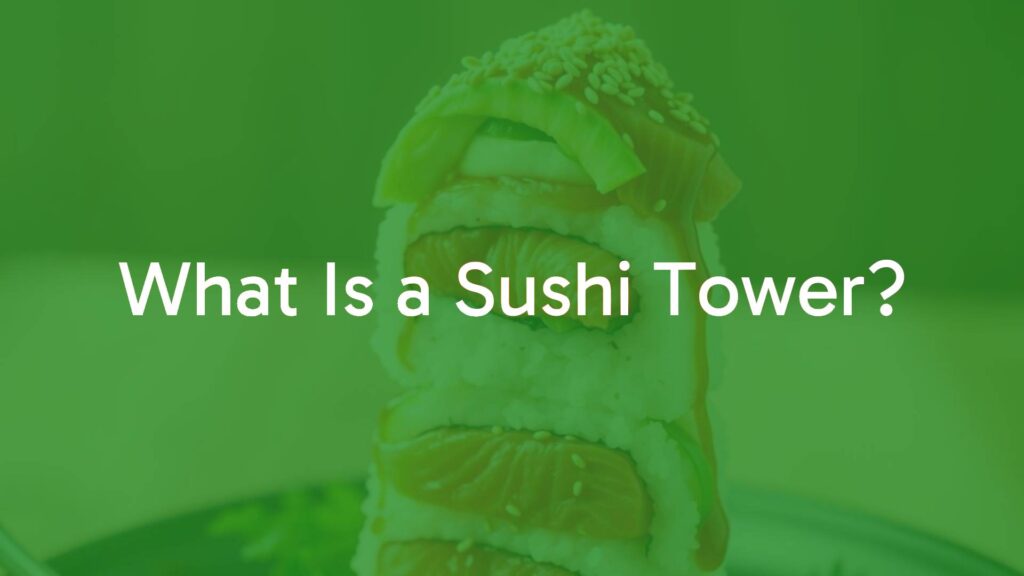
A sushi tower is a fun and eye-catching way to serve sushi. Instead of rolling all the ingredients up in seaweed, sushi towers stack layers of sushi rice, fresh seafood, colorful vegetables, and tasty toppings into a tall, neat shape. This makes sushi easier to make at home and lets you get creative with flavors and presentation. Sushi towers let you skip the tricky rolling process while still enjoying the classic sushi taste, making them perfect for sharing with friends or celebrating a special meal.

What Is a Sushi Tower?
You can think of a sushi tower as a sushi roll taken apart and stacked in layers. Instead of rolling up rice and fillings inside seaweed, you place each ingredient into a ring or mold, one on top of the other. Typical ingredients include sushi rice, fish like tuna or salmon, avocado, cucumber, sauces, and toppings. The finished dish is colorful and has lots of different textures and flavors in every bite. Watching simple ingredients turn into a fancy stack on your plate can make any meal feel special.
Where Did the Sushi Tower Come From?
Sushi has been enjoyed in Japan for hundreds of years, but the sushi tower is a much newer idea. It mixes old Japanese flavors with modern presentation styles, especially popular in Western countries. Sushi towers likely became popular with home cooks who wanted to enjoy sushi at home but found rolling sushi too difficult. They also fit right in with other modern, layered dishes where you see all the ingredients at once. This makes sushi towers great for sharing photos online and enjoying food that also looks beautiful.
Like deconstructed salads or other layered dishes, sushi towers show off each ingredient individually. When you eat a sushi tower, you can taste and feel each layer but still enjoy the flavors together, just like traditional sushi. It’s a fun way to bring the feeling of eating at a sushi bar right into your own kitchen.
How Sushi Towers Are Different From Regular Sushi
The biggest difference is the way you make and serve them. Traditional sushi uses precise rolling and shaping. For example, maki rolls are rolled into a tight cylinder with a bamboo mat, while nigiri requires forming rice by hand before adding fish on top. Sushi towers skip the rolling. Instead, you use a ring or mold to layer the ingredients.

This means you don’t need seaweed as the outside layer (though you can add it as a topping if you like). With no rolling involved, making sushi towers is simpler and much faster than making traditional sushi rolls, especially if you’re just starting out.
Why Make a Sushi Tower?
Sushi towers don’t just look great-they also have other benefits. They’re easier to make, save time, and give you more freedom to try new combinations. Whether you’re new to sushi or have lots of experience, making a sushi tower is a quick and enjoyable way to create a tasty, impressive meal.
Saves Time Compared to Sushi Rolls
One of the best parts about making sushi towers is that they take less time than rolling sushi. There’s no need to spread rice on seaweed, carefully place fillings, and roll it all up tightly. With towers, you just spoon each ingredient into your mold and press down. You can put together several sushi towers in just a few minutes, making them perfect for a weeknight dinner or a fast snack. The only real cooking involved is making the rice.
Great for Parties and Sharing
Sushi towers have a “wow” effect that will get people talking. When you make them for guests, they add color and excitement to your table. You can prepare individual towers for each person, or let everyone build their own, which is fun for parties. Since you can easily swap out ingredients, it’s also easy to meet everyone’s food preferences-just offer a variety of options for people to choose from.

Customize to Make It Your Own
Sushi towers let you be as creative as you want in the kitchen. There’s no need to stick to only traditional sushi fillings or methods. You can add crispy tempura bits, spicy sauces, sweet fruit, or anything else you like. Mix different proteins, veggies, and dressings to make each tower unique. It’s a great way to have fun balancing flavors and colors, and you’ll end up with a meal that looks as amazing as it tastes.
Popular Sushi Tower Ingredients and Styles
Sushi towers can be made in countless ways. Here are some favorites and ideas to try:
Favorite Sushi Tower Styles and What Goes In Them
| Type | Main Ingredients | Extra Add-Ons |
|---|---|---|
| Tuna Avocado Sushi Tower | Sushi rice, diced tuna, avocado | Ponzu sauce, sesame seeds, green onion |
| Ahi Tuna Sushi Tower with Mango | Sushi rice, marinated ahi tuna, mango, avocado | Soy sauce marinade, ginger, sesame oil, sesame seeds, red pepper flakes |
| Vegetarian Sushi Tower | Sushi rice, avocado, cucumber, bell pepper, carrots, asparagus | Tofu, sweet potato, seaweed salad, pickled onion, edamame |
| Creative Flavor Combo | Choose your favorites! | Pineapple or mango salsa, jalapeños, spicy mayo, cooked shrimp, beef strips, black beans |
You can mix and match whatever you like or try something new with each tower.

How to Build a Sushi Tower at Home
Making a sushi tower at home isn’t difficult once you have the right tools and some prep done. Follow these steps to start making your own:
Tools You’ll Need
- Ring Mold/Cake Ring: This is the most important item. You can order a metal food ring online or use a 1-cup measuring cup or a large round cookie cutter.
- Tamper: Use to press layers down, but the back of a spoon can work if needed.
- Sharp Knife: For slicing and dicing your ingredients.
- Mixing Bowls: For marinades or sauces.
- Rice Cooker/Saucepan: For cooking sushi rice.
Ingredients for Sushi Towers
- Sushi Rice: Short-grain rice is best for stickiness.
- Fish: Sushi-grade tuna or salmon for raw versions.
- Vegetables: Avocado, cucumber, mango, green onion. Use fresh produce for color and taste.
- Sauces/Marinades: Soy sauce, ponzu, sesame oil, ginger, red pepper flakes, honey.
- Other Additions: Masago, sesame seeds, seaweed salad, cooked shrimp, roasted sweet potato.
Steps to Assemble
- Prep the Ingredients: Chop your veggies, avocado, and seafood. Marinade the fish if you want, and cook and season your sushi rice with sushi vinegar.
- Set the Mold on Your Plate: Place the ring mold or cup where you want the tower to sit when done.
- Layer the Ingredients: Start with a layer of vegetables, then other items like fruits or avocado, followed by sushi rice on top. Press each layer down as you go.
- Remove the Mold: Hold the stack steady and lift the mold slowly. For a measuring cup, run a knife along the edge to loosen everything, flip onto your plate, and lift the cup away.
- Top and Garnish: Place your tuna or other protein on top, then add sesame seeds, green onion, sauces, or extra toppings.

Tips for Getting the Layers Just Right
- Press Layers Firmly: This holds the tower together so it won’t fall apart.
- Use Different Textures and Colors: Stack crunchy and soft ingredients, and try to get a variety of bright colors.
- Don’t Overfill: Keep room at the top, or it may spill out.
- Keep Things Cold: Chill your ingredients, especially any raw fish, before you build your tower.
- Wet Your Tools: Dab your spoon or tamper with water so sticky rice doesn’t stick.
- Take Your Time Removing the Mold: Go slowly so your tower keeps its shape.
Common Mistakes to Watch Out For
- Not Pressing Layers Enough: Loose layers cause towers to collapse.
- Wrong Rice Type: Don’t use regular long-grain rice-only short-grain sushi rice has enough stickiness.
- Too Much Seasoning in Rice: Mildly flavor the rice-the taste should not overpower everything else.
- Unsafe Fish: For raw towers, always use sushi-grade fish.
- Removing Mold Too Fast: Quick movement can break the tower.
- Too Much Sauce Inside Layers: Too much liquid makes a soggy, unstable tower. Drizzle sauces on top instead.
Sauces, Toppings, and Garnishes for Sushi Towers
The extras you add on top of your tower can make all the difference in flavor and appearance. Here are some ideas:
Favorite Sushi Tower Sauces
- Ponzu: Light soy sauce with citrus for a tangy, fresh flavor.
- Spicy Mayo: Mayo mixed with hot sauce like sriracha, sometimes using the creamier Japanese mayonnaise “Kewpie.”
- Unagi (Eel) Sauce: Sweet soy glaze, great with many proteins, not just eel.
- Sweet Chili Sauce: A sweet and slightly spicy sauce for extra kick.
- Soy Sauce: A classic option for dipping or drizzling.
- Ginger Dressing: For a bright, zesty flavor.
Crispy and Flavorful Toppings
- Sesame Seeds: Add crunch and nutty flavor; use black or white seeds for color.
- Masago: Orange fish eggs that give a salty pop and lots of color.
- Tempura Flakes: Crunchy bits that add texture.
- Fried Onions/Shallots: Add crunch and savory taste.
- Furikake: Japanese seasoning mix-check for dried seaweed, sesame, and salt.
- Jalapeño Slices: For a spicy, green punch.
- Tobiko: Similar to masago but firmer and available in more colors.

Optional Garnishes
- Chopped Green Onion: For mild onion taste and bright green color.
- Cilantro: Adds a fresh, herby flavor-great for citrus or spicy towers.
- Microgreens: Tiny greens add a nice finishing look.
- Edible Flowers: For a beautiful final touch.
- Thin Radish Slices: For a spicy crunch and red/pink pop.
- Wasabi & Pickled Ginger: Serve on the side or place next to your tower for added flavor.
How to Serve and Present Sushi Towers
After making your towers, how you serve them matters. A little effort on presentation can make your sushi tower truly special, especially for a party or family meal.
Serving Ideas for Parties or Meals
Sushi towers are great for different occasions. At parties, you can make a bunch of small towers for guests. Or set up a “build-your-own” tower table so everyone can choose their favorite ingredients. For a family dinner, make one large tower to share or individual towers for each person. Sushi towers taste best right after they’re made, so try to assemble them just before eating.
Simple Plating Tips
- Use a Clean Plate: Wipe up spills before serving.
- Put the Tower in the Center: Show off its height and layers.
- Add Sauce Around and On Top: Use a spoon or squeeze bottle for a pretty drizzle.
- Arrange Garnishes Neatly: Place toppings for color or balance, not just scattered everywhere.
- Contrast Colors: Serve on a white or dark plate to make tower colors stand out.
- Highlight the Layers: Let each colored layer be seen clearly.
How to Make Your Sushi Tower Unique
You can adjust any sushi tower to fit what’s in season, what’s local, or any special diet. Try these ideas to get started:
Use Local or Seasonal Ingredients
Mix in what’s fresh at the local market. In summer, try sweet corn or juicy tomatoes. In autumn, layer in roasted squash. Seafood options can also change depending on your location and what’s available, as long as the fish is safe to eat raw.
Make Lower-Carb or Healthier Sushi Towers
To cut down on carbs, swap the rice with riced cauliflower, thinly sliced cucumber, or daikon radish. Add more non-starchy veggies or proteins like shrimp or chicken. Use avocado and lighter sauces for a healthy, filling meal without extra calories or sugar.
Adjust to Fit Any Diet
- Gluten-Free: Use tamari (gluten-free soy sauce) and watch out for other ingredients with gluten.
- Vegetarian or Vegan: Skip the fish and add tofu, tempeh, or extra veggies. For vegan, check that sauces and mayo have no animal products.
- Nut-Free: Most sushi tower ingredients are nut-free, but double-check sauces and toppings.
- Dairy-Free: Avoid creamy sauces if they have regular mayo; use dairy-free versions if needed.
- Keto or Paleo: Skip the rice, and add more protein, veggies, and healthy fats.
Mixing and matching ingredients within each tower means everyone can find something they enjoy.
Common Sushi Tower Questions
Here are answers to questions many people have about sushi towers:
Is It Safe to Use Raw Fish?
Raw seafood can be safe if you use proper fish-specifically, “sushi-grade” fish bought from a trusted source. “Sushi-grade” means it’s been handled and frozen the right way to kill parasites. Don’t use regular grocery store fish for raw sushi towers. Always keep fish cold and eat sushi towers soon after you make them. If you don’t want to use raw fish, try cooked shrimp, imitation crab, or seared tuna.
What’s the Best Rice for Sushi Towers?
Short-grain sushi rice is best because it’s sticky and holds the shape well. Medium-grain rice can work in a pinch, but long-grain rice like jasmine or basmati won’t stick together and isn’t suitable for towers. If you want to use brown rice, make sure it’s short-grain. The rice is the most important part for both taste and structure.
Can You Make Sushi Towers Ahead of Time?
You can prep most of the ingredients ahead of time-slice or dice what you need, cook the rice, or make sauces. Keep everything chilled until right before serving. Don’t build the actual sushi towers too early, especially if they have raw fish. For best results, put the towers together right before serving to keep the rice soft and ingredients fresh.
