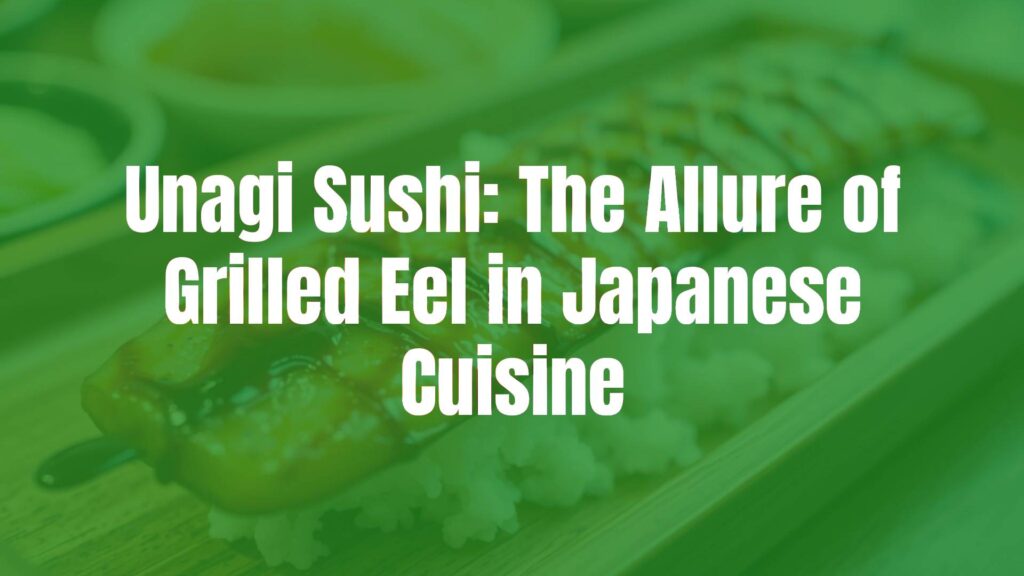
Discovering Unagi Sushi: A Japanese Delicacy
Unagi sushi stands out as a prized offering in the landscape of Japanese cuisine, captivating sushi enthusiasts with its luscious flavor and rich tradition. This sushi, featuring savory grilled eel, is celebrated for its distinct preparation and garners attention in sushi bars worldwide. What makes unagi sushi truly special is the way it unites meticulous culinary craftsmanship with an irresistible umami depth, making it highly sought after among both newcomers and seasoned aficionados.
Unpacking Unagi Sushi: Signature Elements That Define It
Unagi sushi is typically constructed with slices of broiled freshwater eel (unagi), delicately placed atop small mounds of vinegared sushi rice. Sometimes, a thin strip of nori (seaweed) secures the eel and rice together for presentation. Signature to unagi sushi is the sweet and savory tare sauce—a glossy glaze brushed over the eel during grilling—imbuing it with a unique richness and caramelized aroma. Unlike raw fish sushi, unagi is always cooked, which adds to its singular identity.
Ingredients and Unmistakable Flavors of Unagi Sushi
The central ingredient, unagi, is renowned for its tender, flaky texture and complex, buttery flavor. The eel is often marinated and grilled over charcoal, allowing the tare sauce—a blend of soy sauce, mirin, sugar, and sake—to develop a caramelized finish. Combined with subtly seasoned sushi rice, the result is a harmonious balance of sweet, smoky, and umami notes. Occasional garnishes might include sansho pepper for a gentle kick or a dusting of chopped scallions to brighten the flavor profile.
Why Unagi Sushi Captivates Sushi Lovers
The popularity of unagi sushi stems from its luxurious mouthfeel, layered taste, and evocative aroma. Its appealing appearance—glossy, deep brown slices atop pristine rice—makes it a favorite for celebratory meals and omakase experiences. Unagi’s versatility also means it can be enjoyed as nigiri, in rolls, or even in hand-cone form, suiting a variety of preferences and occasions.
Cultural Significance and Historical Roots of Unagi Sushi
Enjoyed for centuries, unagi holds a special place in Japanese culture, often associated with stamina and vitality. Traditionally, unagi is eaten during the hot summer months, particularly on the “Day of the Ox” (Doyo no Ushi no Hi), based on the belief that it helps combat fatigue. Over time, its role expanded from specialty unagi restaurants to mainstream sushi counters, creating regional interpretations across Japan.
How to Savor Unagi Sushi: Serving and Pairing Insights
Unagi sushi is commonly served warm, allowing the flavors to be at their most inviting. It pairs beautifully with mild green teas or crisp sake, which counterbalance its richness. Pickled ginger subtly cleanses the palate, while miso soup or lightly dressed greens provide a gentle, refreshing contrast to the eel’s depth. When enjoyed as part of a sushi platter, unagi is often reserved for later in the meal to highlight its concentrated flavors.
Nutritional Considerations and Dietary Notes on Unagi Sushi
Unagi is a notable source of protein, vitamin A, and healthy unsaturated fats such as omega-3s, which contribute to its status as a nutritious delicacy. However, those with seafood allergies should consume it cautiously. The tare sauce may contain gluten, so individuals with gluten sensitivities should inquire at the restaurant. While unagi sushi is not vegetarian or vegan, it remains a satisfying alternative for those who prefer their sushi cooked over raw.
Conclusion: Embracing the Depth of Unagi Sushi
Unagi sushi celebrates a harmonious blend of flavor, technique, and tradition, claiming a beloved spot in the world of Japanese cuisine. Its distinctive taste and cultural roots offer a rewarding experience that invites both appreciation and exploration. Savoring unagi sushi is more than just enjoying a meal—it is engaging with a delicious piece of Japanese heritage.
