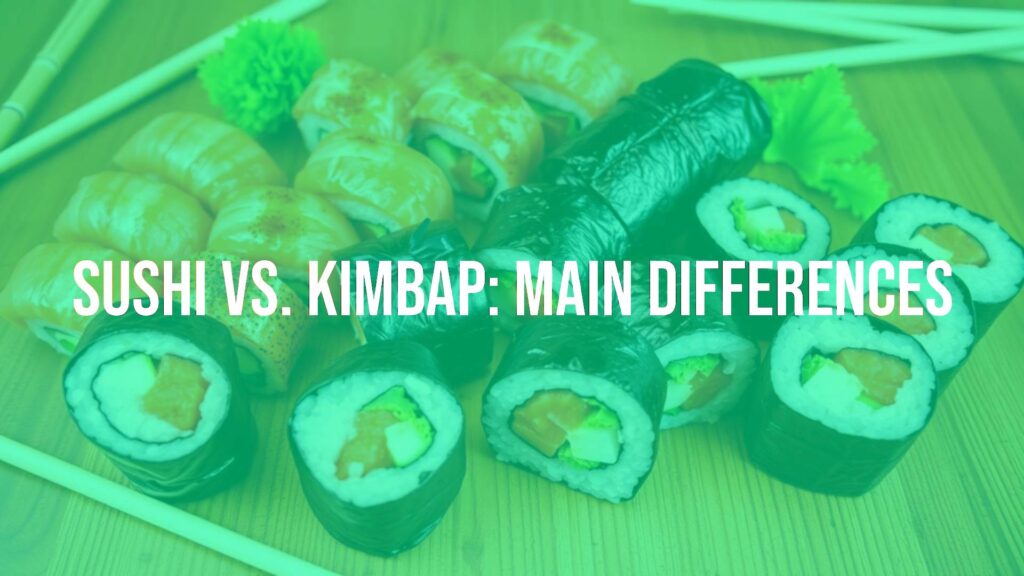
Sushi and kimbap often look alike-both are rolled rice dishes wrapped in seaweed-but they are quite different foods with unique backgrounds, ingredients, and ways of serving. Sushi comes from Japan and is an important part of its food history, while kimbap is a staple in Korea, especially for picnics and packed meals. Their differences show up in how the rice is flavored, what goes inside, and how they’re eaten. Learning about these details helps you see why each dish is special and lets you enjoy them more.

Sushi vs Kimbap: Main Differences
Even though sushi and kimbap look similar from the outside, exploring their details shows clear differences related to their origins, ingredients, and how people eat them.
Cultural Backgrounds and History
Sushi started in Japan a long time ago. It can be traced to an old way of preserving fish in rice, first used in China around the 5th to 3rd century BC. The rice used to be thrown away, but over time, especially in Japan’s Edo period (1603-1868), it changed into serving fresh fish with vinegared rice and seaweed. The method of using vinegar allowed the rice and fish to be eaten together, and different sushi styles, including rolls, became popular.
Kimbap is a famous Korean dish. The word “kimbap” means “seaweed rice.” Some think kimbap was influenced by Japanese sushi rolls during the Japanese occupation of Korea, but Koreans also have records of wrapping rice in seaweed going back to the Joseon era (1392-1897). Today, kimbap is a symbol of Korean food culture and is often made for outings and family gatherings.

What Ingredients Are Different?
Sushi highlights raw or cooked seafood like tuna, salmon, shrimp, or eel and adds in vegetables such as avocado and cucumber. The taste relies on freshness and balance.
Kimbap normally uses cooked or processed ingredients like bulgogi (marinated beef), ham, eggs, imitation crab, and lots of vegetables like carrots and pickled radish. You won’t usually find raw fish in kimbap. The focus is on filling, tasty, and satisfying rolls.
How Is the Rice Flavored?
Both dishes use sticky, short-grain white rice. For sushi, the rice is mixed with rice vinegar, sugar, and salt for a tangy and slightly sweet taste. This gives sushi its unique flavor and is why the dish is called “sushi” (referring to the vinegar rice).
Kimbap rice is mixed with sesame oil and salt, giving it a savory and slightly nutty flavor. Toasted sesame seeds might be sprinkled in too. Sometimes, kimbap uses other grains like brown rice or quinoa for extra nutrition and taste.

How Do the Fillings Compare?
The fillings are really where these two rolls stand apart. Sushi often uses raw or cooked seafood (like salmon, tuna, or eel) with vegetables. The fillings are simple, meant to match the subtle flavors of the vinegared rice and fresh fish.
Kimbap, however, can be quite colorful and full. You will find lots of cooked ingredients: marinated beef, ham, fish cake, egg strips, spinach, carrots, and pickled radish. Some versions even contain cheese, kimchi, or tuna mixed with mayo. Every part is usually flavored before it goes into the roll.

Seaweed, Shape, and How They’re Served
Both use dried seaweed sheets (nori for sushi, gim for kimbap), but Korean gim is often crispier and sometimes brushed with sesame oil after rolling. Sushi seaweed is usually left plain.
Bite-sized rolls are cut from long cylinders, but sushi also appears in other forms, such as sushi with fish placed on top of rice (nigiri) or just raw fish slices (sashimi). Kimbap mostly comes as sliced rolls but also as triangles (samgak kimbap) or mini whole rolls (mayak kimbap).
Sushi is often served with soy sauce, wasabi, and pickled ginger. Kimbap usually has no dipping sauces and is sometimes served with kimchi or other pickled vegetables. Sushi tends to be eaten in restaurants and at special events, while kimbap is more common as a packed meal for travel or outdoor activities.
| Feature | Sushi | Kimbap |
|---|---|---|
| Country of Origin | Japan | Korea |
| Rice Seasoning | Vinegar, sugar, salt | Soy sauce, sesame oil, salt |
| Common Fillings | Raw or cooked fish, seafood, vegetables | Cooked meats, egg, vegetables, pickles |
| Typical Seaweed | Nori | Gim (thinner and crisper) |
| Condiments | Soy sauce, wasabi, pickled ginger | Usually none; served with kimchi or pickles |
| Occasions | Special occasions, restaurants | Picnics, lunches, portable meals |
What Is Sushi?
Sushi is a well-known Japanese dish best recognized for its use of vinegared rice combined with seafood, vegetables, or eggs, often arranged in a visually appealing way. Originally created to keep fish fresh in rice, sushi developed into an artful food found all over the world today. It’s all about the rice-the word “sushi” refers to the sour rice, not just raw fish.
Main Sushi Types
- Nigiri: Small, hand-formed rice mounds topped with fish, egg, or seafood.
- Maki: Rolls wrapped in seaweed and sliced, with rice and various fillings (thin, thick, or inside-out styles like the California roll).
- Chirashi: A bowl of vinegared rice with assorted toppings spread over the top.
- Inari: Pockets of fried tofu filled with rice-no fish inside.
- Sashimi: Sliced raw fish or seafood, usually eaten plain (not technically sushi, as it has no rice).

Common Sushi Ingredients
- Raw and cooked fish (tuna, salmon, shrimp, eel, etc.)
- Vegetables (cucumber, avocado, pickled radish)
- Eggs (Japanese omelette-tamagoyaki)
- Condiments:
- Soy sauce
- Wasabi (spicy green paste)
- Pickled ginger (cleanses palate)
- Japanese mayo
- Ponzu (citrus-soy sauce)
Does Sushi Always Have Raw Fish?
No, not all sushi contains raw fish. Many varieties, like California rolls, have cooked or imitation seafood. Some use cooked shrimp, grilled eel, or only vegetables. Sushi is a choice for people who may want to avoid raw fish, as long as you pick those types.
What Is Kimbap?
Kimbap (or gimbap) is a familiar Korean food made of rice and fillings rolled in dried seaweed and cut into rounds. Kimbap means “seaweed rice” in Korean. It’s popular for being easy to carry and eat, making it a favorite for outdoor trips, boxed lunches, and snack times. It’s usually eaten without any dipping sauces so you can taste the different flavors of the ingredients inside.
Kimbap Varieties
- Traditional Kimbap: The classic style with egg, carrots, spinach, pickled radish, and ham or imitation crab.
- Chamchi (Tuna) Kimbap: Filled with tuna and mayo.
- Bulgogi Kimbap: Uses marinated beef as the protein.
- Mayak Kimbap: Mini rolls with rice and pickles, served whole and sometimes dipped in sauce.
- Samgak Kimbap: Triangle-shaped, like Japanese onigiri, with different fillings.
- Chungmu Kimbap: Simple rice-only rolls, served with spicy squid salad and radish kimchi.
- Nude Kimbap: Seaweed on the inside, rice outside-similar to some sushi rolls.

Typical Kimbap Ingredients
- Cooked short-grain rice, mixed with sesame oil and salt
- Seaweed sheets (gim), often coated with sesame oil after rolling
- Fillings:
- Egg omelet strips
- Protein: bulgogi beef, ham, crab stick, fish cake, tuna mixed with mayo
- Vegetables: pickled radish, spinach, carrots, cucumber, kimchi
- Modern add-ons: cheese, and other creative mixes
Similarities between Sushi and Kimbap
Both dishes use seaweed to wrap seasoned rice and fillings, and both are sliced into rounds for easy eating. Their similar looks often cause confusion, especially outside Japan or Korea.
Shared Ingredients
- Seaweed sheets (nori or gim)
- Short-grain, sticky rice
- Vegetables (cucumber, carrot, pickled radish)
- Eggs
While the fillings and flavors are different, these basics give both dishes their structure.
Similar Form
Both are shaped by spreading rice on seaweed, adding fillings, then rolling and slicing. This makes them simple to pack and eat on the go. Their colorful cross-sections make them easy to identify (and mix up) at a glance.
Health: Which Is Better for You?
Neither sushi nor kimbap is always healthier-they can both be good choices, or less so, depending on what goes inside them.
Nutrition Comparison
- Sushi: Offers lean protein and healthy fats when made with fish, plus vitamins from vegetables. But the rice contains added sugar, and soy sauce can mean lots of salt. Tempura or mayonnaise in some rolls increases calories and fat.
- Kimbap: Often has more vegetables and uses sesame oil for rice flavor. It may include processed meats or cheese, which adds fat and sodium, but also uses many healthy ingredients. Using brown rice or other grains can make it more nutritious.
Food Allergies and Safety
- Sushi often has raw fish, which may not be suitable for pregnant women, young children, or those who need low-risk foods.
- Both dishes can include common allergens like soy, sesame, or eggs-check ingredients if you have allergies.
- Kimbap is usually safer for travel since it doesn’t have raw fish and can last longer without refrigeration.
- Both sushi and kimbap can be high in sodium-watch for highly seasoned rice, sauces, or salty fillings.
Which One Should You Have?
Your choice depends on your taste and the kind of meal you want.
What Suits Your Taste?
- If you enjoy light, clean flavors and the taste of raw fish, or want something special, sushi is a great pick.
- If you like heartier, savory meals with cooked vegetables and meats, choose kimbap. It’s also a better portable meal and works well for picnics.
- Both offer lots of choices for fillings and flavors-there’s no need to stick with only one!
Frequently Asked Questions about Sushi vs Kimbap
Is Kimbap a Form of Sushi?
No, kimbap is not sushi. Even though they look similar, sushi is Japanese and usually uses vinegared rice and raw fish. Kimbap is Korean, with sesame oil-flavored rice and mostly cooked ingredients. Calling kimbap “Korean sushi” is common, but not accurate-they’re separate foods.
Did Kimbap Come from Japanese Sushi?
It’s not clear. Some say that Japanese sushi rolls influenced the creation of kimbap during the Japanese occupation of Korea. Others argue Koreans had their own tradition of seaweed rice rolls earlier. Over time, however, kimbap has changed and developed its own style that is distinctly Korean.
Can You Swap Sushi and Kimbap in Meals?
It’s not recommended if you want the true taste of either dish. The flavor of sushi’s vinegared rice and fresh seafood is very different from kimbap’s sesame rice and bold, cooked fillings. Their sauces, fillings, and seasoning all make them unique. Try both to discover which one you like best-they each deserve to be enjoyed for what they are!
