Introduction to Sushi Burrito: A Modern Twist on Japanese Classics
The sushi burrito is a contemporary culinary innovation that fuses the refined art of sushi-making with the casual convenience of a handheld meal. This hybrid delight has quickly gained traction among food enthusiasts seeking adventurous flavors and satisfying portions. Its eye-catching presentation and portable nature make it a standout in the growing landscape of creative Japanese-inspired eats.
Understanding Sushi Burrito: What Sets It Apart?
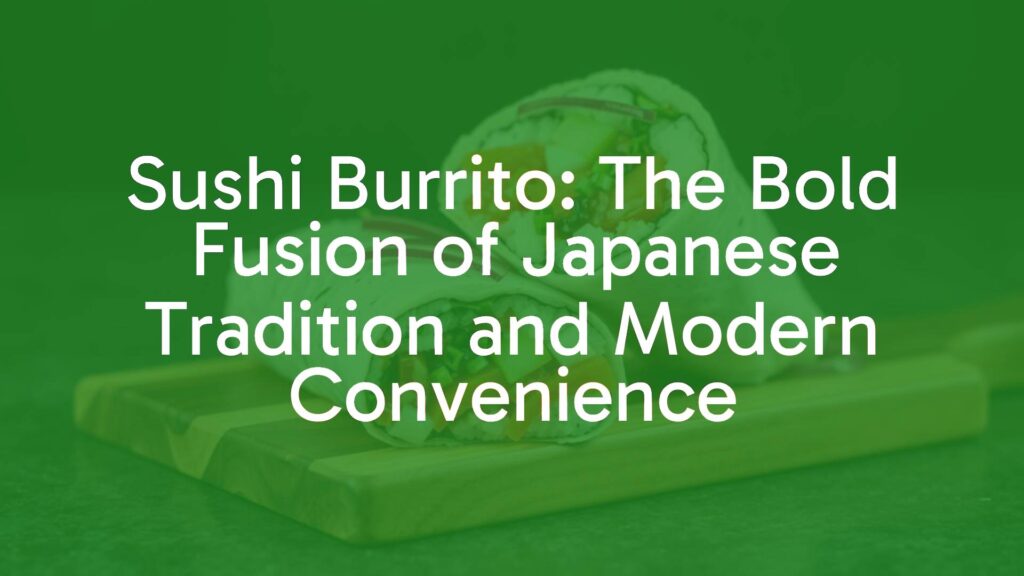
Unlike traditional sushi rolls, the sushi burrito takes the familiar ingredients of sushi and wraps them into a large, burrito-sized roll, typically using nori (seaweed) as the outer layer. Often about the size and shape of a generous burrito, it forgoes the petite cuts of traditional maki or nigiri for a hearty, all-in-one package. The sushi burrito’s defining characteristic is its scale—generous fillings and bold combinations—making it a full meal rather than just a delicate bite.
Key Ingredients and Distinctive Flavors of Sushi Burrito
Core components of a sushi burrito include seasoned sushi rice, a sheet of nori, and an assortment of fillings. These fillings span fresh seafoods like salmon, tuna, or shrimp, as well as cooked proteins such as tempura chicken or tofu for vegetarian options. Crunchy vegetables—think cucumber, carrot, avocado, and lettuce—add texture and freshness. Unconventional toppings such as spicy mayo, wasabi aioli, or pickled vegetables often find their way inside, creating a riot of flavors and colors. The end result is a burst of umami, sweetness, tang, and crunch in every hearty bite.
The Appeal and Popularity of Sushi Burrito
Sushi burritos are celebrated for their practicality and variety, offering a format that’s portable and filling while retaining the vibrant flavors of classic sushi. Their striking cross-section, revealed with each bite, makes them visually exciting and perfect for social sharing. The adaptability of ingredients appeals to a wide array of preferences, making sushi burritos a hit at casual eateries and food trucks alike.
Origins and Cultural Context of the Sushi Burrito
The sushi burrito is a product of cultural fusion, first gaining popularity in cosmopolitan cities like San Francisco during the early 2010s. Inspired by both Japanese and Latin American culinary traditions, it exemplifies the trend of hybrid foods in global street cuisine. While not a historical Japanese dish, its spirit of creativity and respect for fresh ingredients connect it to traditional sushi philosophy.
Enjoying Sushi Burrito: Serving Ideas and Pairings
Sushi burritos are often enjoyed uncut, cradled in parchment paper for ease of eating on the go. For a complete experience, pair them with Japanese green tea or a crisp, chilled sake to cleanse the palate. Pickled ginger, edamame, or seaweed salad make excellent sides, offering a nod to classic sushi accompaniments while enhancing the meal.
Nutritional Profile and Dietary Considerations of Sushi Burrito
The sushi burrito provides a balanced nutritional profile, often high in protein and rich in vitamins from fresh vegetables. Healthy fats can come from ingredients like avocado and salmon, while brown rice may be used as an alternative for added fiber. Diners should be mindful of possible allergens—seafood, soy, and gluten (in sauces or tempura batters)—but the customizable nature of the sushi burrito allows for vegetarian, vegan, or gluten-free adaptations as needed.
Conclusion: Embracing the Vibrant World of Sushi Burrito
The sushi burrito stands as a testament to culinary creativity, capturing the essence of sushi while delivering bold flavors and modern convenience. Whether you’re a sushi aficionado or a newcomer seeking something fresh and exciting, the sushi burrito invites you to savor the harmonious blend of tradition and innovation in every satisfying bite.
