Discovering Red Sushi: A Symbol of Elegance and Flavor
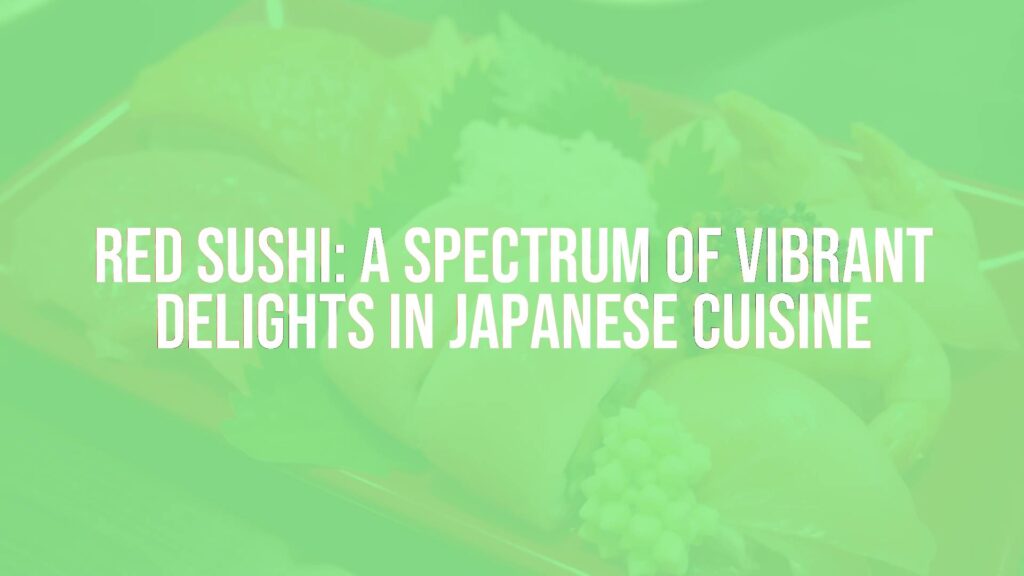
Among the array of colorful sushi offerings, “red sushi” stands out as a captivating and visually striking choice. Often, this term refers not to a specific recipe but to sushi featuring red-hued ingredients, such as tuna (maguro), salmon roe (ikura), or even certain specialty toppings. Red sushi exemplifies the allure of Japanese cuisine, where color and aesthetics are as integral as taste.
What Defines Red Sushi? Understanding its Appeal
Red sushi typically features vibrant toppings or garnishes in shades of red, with the most iconic being slices of lean tuna, known as akami. In other interpretations, red sushi can spotlight crimson fish eggs, like ikura or tobiko, or rare delicacies such as botan ebi (red shrimp). The unifying thread among these types is the emphasis on their luxurious color and the lively, fresh impression they lend to the sushi platter.
Signature Ingredients and Distinctive Palate of Red Sushi
The core ingredients in red sushi are those that naturally possess a red color. This includes tuna, particularly the lean akami cut, which delivers a mild yet deep flavor with a supple texture. Salmon roe offers a briny, popping sensation, while tobiko and masago lend a crunchy garnish bursting with umami. Accents of shiso leaf or a dab of bright wasabi may intensify the visual appeal and provide aromatic contrast. The rice, seasoned with vinegar, balances these components for a harmonious bite.
Why Red Sushi Captivates: Popularity and Sensory Experience
Red sushi enjoys immense popularity due to its visual drama and rich taste. The jewel-toned appearance draws the eye, while the underlying ingredients deliver a spectrum of sensations – buttery, clean tuna; the salty-sweet burst of roe; or the subtle crunch of fish eggs. This range of flavors and textures makes red sushi both a centerpiece and a favorite in assorted sushi platters, appealing to novices and aficionados alike.
Cultural Roots and Variations of Red Sushi
The tradition of highlighting red ingredients in sushi traces back to Edo-period Japan, when tuna began to be prized for its flavor and brilliant hue. Over time, red elements found their way into regional sushi styles. In some areas, red shrimp or special local fish with reddish flesh are used, celebrating seasonal catches and local ingredients. The color red in Japanese culture is often associated with celebration and good fortune, making red sushi a festive option, especially during special occasions.
Enjoying Red Sushi: Ideal Pairings and Dining Suggestions
Red sushi is typically served as nigiri or in decorative rolls, often accompanied by pickled ginger, wasabi, and soy sauce. The intensity of its flavors pairs beautifully with crisp sake, mild green tea, or light, dry white wines. For a well-rounded meal, consider pairing red sushi with seaweed salad or lightly dressed salads, which refresh the palate and accentuate the sushi’s delicate marine notes.
Nutrition and Dietary Insights for Red Sushi
Red sushi can provide lean protein, healthy omega-3 fatty acids (especially from tuna and salmon roe), and essential minerals. However, diners with seafood allergies or sensitivities should be cautious, as common ingredients include fish and shellfish. Many types of red sushi are naturally gluten-free, provided soy sauce is chosen accordingly, and can be part of a heart-healthy diet. Always check for specific toppings or sauces that may introduce allergens or added sodium.
In Appreciation: The Allure of Red Sushi
Red sushi offers more than just flavor; it is a celebration of the senses, merging vivid color with the nuanced artistry of Japanese culinary tradition. Whether enjoyed for its taste, its visual appeal, or its symbolic significance, red sushi is sure to add excitement and elegance to any dining experience. Exploring red sushi is a delightful journey into the vibrant heart of Japanese gastronomy.
