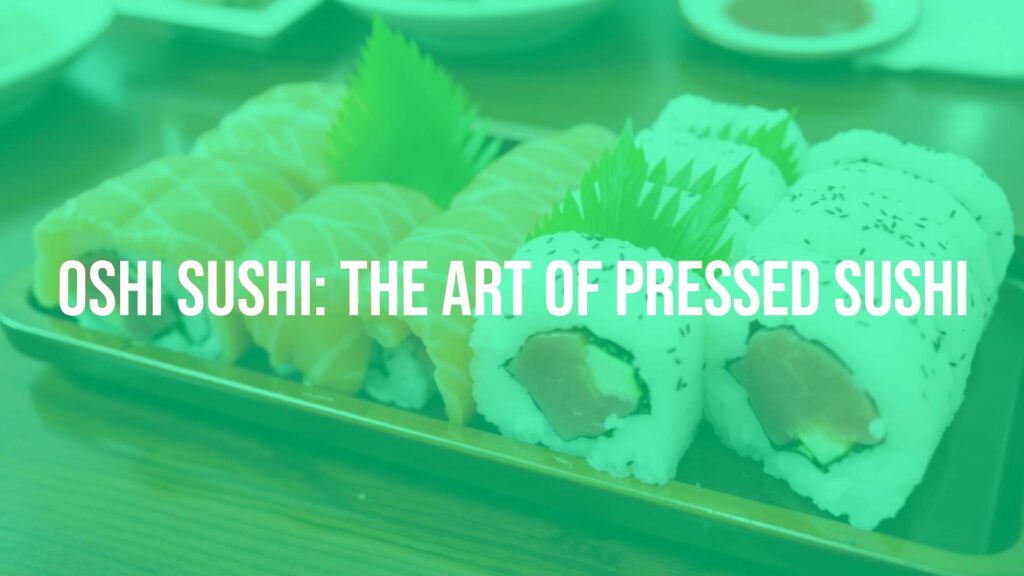
Introduction to Oshi Sushi
Oshi sushi, sometimes referred to as “pressed sushi,” stands out as a distinctive example of Japan’s ability to reimagine traditional cuisine with both artistry and practicality. Unlike the familiar sushi rolls or hand-formed nigiri, oshi sushi is known for its geometric precision and inviting presentation, making it a favorite among those seeking both visual appeal and satisfying flavors in their sushi experience.
Understanding Oshi Sushi: What Makes It Unique?
At its core, oshi sushi is a type of sushi in which vinegared rice and selected toppings are artfully layered in a rectangular mold called an oshi-bako. The mixture is then gently pressed to create a firm, compact block that is sliced into bite-sized pieces. This method distinguishes oshi sushi from other varieties through its structured form and the manner in which flavors blend together under pressure, resulting in a harmonious taste and texture.
Key Ingredients and Distinctive Flavors of Oshi Sushi
Traditional oshi sushi often features a base of seasoned rice, topped with ingredients like marinated or cooked fish (mackerel being a classic choice), prawns, or even thin omelets. Thin slices of fish are sometimes layered with colorful garnishes such as pickled ginger or sesame seeds. Pressing these elements together allows the flavors and textures to meld, resulting in a sushi that is both subtle and satisfying, with a pleasing density and a clean, squared appearance.
The Appeal and Popularity of Oshi Sushi
Oshi sushi’s appeal lies in its unique presentation and the delightful interplay of taste and texture. Its compressed, neat form makes it easy to serve at gatherings or special occasions, while its visual symmetry adds elegance to any table. This sushi style is especially popular for its portability and the way each perfectly portioned piece delivers a mouthful of balanced flavors.
Cultural Context and Origin of Oshi Sushi
Oshi sushi hails from the Kansai region, especially Osaka, and is among the oldest forms of sushi in Japan. Originally, pressing fish and rice was a preservation technique to extend the life of fresh ingredients. Over time, this evolved into an artful culinary tradition, often featured at celebrations or as a specialty in sushi restaurants with roots in western Japan.
Enjoying Oshi Sushi: Serving Suggestions and Pairings
Oshi sushi is typically served as pristine, jewel-like portions, often accompanied by pickled vegetables or a small serving of miso soup. A delicate cup of green tea or a light, crisp sake pairs beautifully with its gentle flavors. For added enjoyment, try it alongside lightly pickled daikon or seaweed salad to amplify the experience of balanced tastes and refreshing contrasts.
Nutritional Profile and Dietary Considerations for Oshi Sushi
This pressed sushi is generally moderate in calories, with nutritional benefits depending on the choice of toppings. Fish options provide protein and omega-3 fatty acids, while vegetarian versions highlight vitamins from vegetables. However, it’s advisable for those with seafood allergies to check the specific ingredients, and for those sensitive to gluten, to be cautious about sauces or marinades sometimes used in preparation.
Conclusion: Appreciating the Essence of Oshi Sushi
Oshi sushi brings together tradition, aesthetics, and practicality, offering a remarkable twist on sushi that reflects the resourcefulness and artistry inherent in Japanese cuisine. Whether you’re new to sushi or a seasoned enthusiast, exploring oshi sushi promises a culinary experience that is as enjoyable to see as it is to savor.
