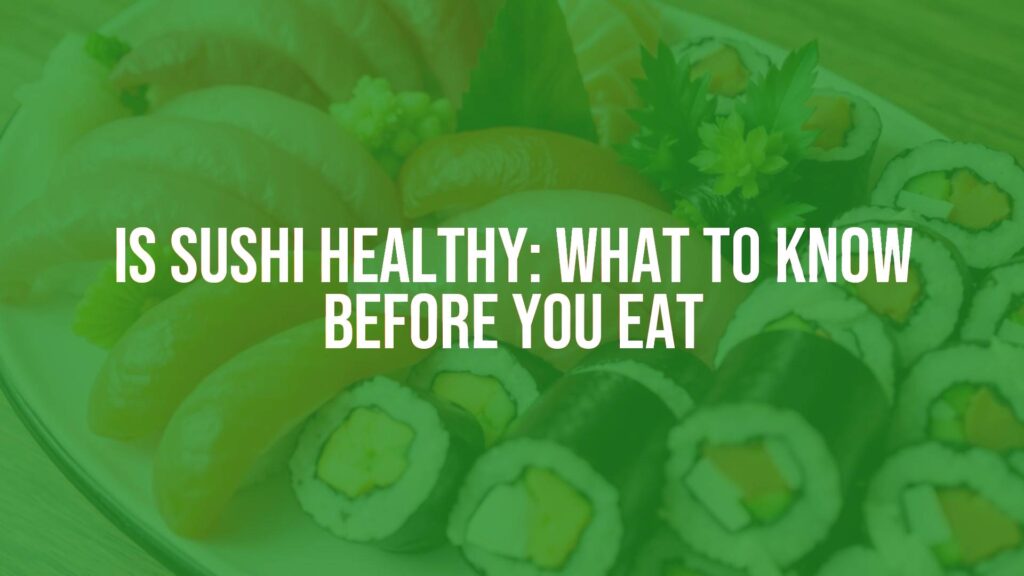
Is Sushi Good for You?
Sushi is enjoyed around the world for its fresh taste and eye-catching appearance. It first appeared in Japan in the 7th century as a way to store fish, though it’s changed a lot since then. Now, many wonder: is sushi good for your health? The quick answer is yes-sushi can be healthy, but it depends on what you order. Some types are loaded with nutrients, while others are higher in calories, fats, or salt. To decide if your sushi order is healthy, it’s helpful to look closer at the ingredients and styles.
Sushi typically means rice mixed with vinegar paired with different toppings, often including raw fish. The rice forms the base, but what you add changes the nutrients. For example, sashimi is raw fish with no rice, making it a high-protein pick. Nigiri is a slice of fish over a bit of rice, balancing carbs and protein. Maki rolls wrap fillings like fish or veggies in rice and seaweed. Knowing these basics is the first step to picking healthier sushi options.

What Nutrients Are in Sushi?
Protein from Fish and Plants
Fish in sushi provides a solid source of protein your body needs to build and repair muscles and to keep your immune system strong. Sashimi, nigiri, and most fish-based rolls are great ways to add this important nutrient to your diet. Just one piece of salmon nigiri, for example, can help fill you up thanks to its protein. Health experts suggest eating fish at least twice a week-sushi can help with that.
If you don’t eat fish, there are sushi options for you too. Many places now serve rolls with tofu or other plant-based proteins, which still help you reach your protein goals.
Omega-3s for Heart and Brain
Some kinds of fish in sushi, like salmon, tuna, and mackerel, are full of healthy omega-3 fats. These fats, called EPA and DHA, are good for your brain and keep your heart healthy. They may also lower swelling in the body. For example, salmon is one of the best sources of omega-3s, whether it’s in a roll or nigiri.
Eating omega-3s often may help lower the chances of heart disease and other health problems, and can be good for your brain and eyesight as you age. So, sushi made with fatty fish is good for your heart and mind.
Vitamins and Minerals in Seaweed, Rice, and Fillings
Nori (seaweed), a wrapper used for many sushi rolls, contains vitamins and minerals such as calcium, magnesium, phosphorus, iron, iodine, and several vitamins like A, C, and K. Iodine is especially important because your thyroid needs it to work properly. While each roll uses just a bit of nori, it still adds useful nutrients.
Other fillings like avocado bring healthy fats and fiber, while brown rice (when offered) is higher in fiber than white rice, supporting good digestion. Veggies like cucumber, carrot, mushroom, and asparagus make rolls even more nutritious. This variety makes sushi a good source of more than just protein and fat.

Fiber from Whole Grains and Veggies
White rice is common in sushi, but using brown rice instead provides more fiber, which helps your digestion and keeps you full longer. Fiber helps you avoid overeating, too. Choosing veggies as fillings or sides like edamame increases fiber, making your meal healthier overall.
| Sushi Ingredient | Main Nutrients |
|---|---|
| Fish (salmon/tuna/mackerel) | Protein, Omega-3 fats, B vitamins |
| Nori (seaweed) | Iodine, Vitamins A/C/K, iron |
| Avocado | Healthy fat, Fiber, Vitamin K |
| Vegetables | Fiber, Vitamins, Minerals |
| Brown Rice | Fiber, B vitamins, Minerals |
Main Health Benefits of Sushi
Good for Heart Health
The omega-3 fats in fish like salmon or mackerel help your heart by reducing swelling and lowering the risk of diseases. Fish protein also keeps muscles, including your heart, working well. Ingredients like avocado, which has potassium, can also help with healthy blood pressure.
Lowers Inflammation
Long-lasting swelling inside your body can cause health issues, but omega-3s in fish fight this. Wasabi and ginger (common sides for sushi) also have some compounds that lower swelling. Even nori has helpful chemicals to reduce inflammation.
Helps Control Weight
High-protein and veggie-heavy sushi fills you up without providing too many calories. Sashimi, nigiri, and rice-light or veggie rolls are good picks. Using brown rice and lots of vegetables increases fiber, which helps you feel satisfied and may help prevent weight gain.
Supports Brain Function
Omega-3s in sushi fish, especially DHA, help your brain work well and are important for memory. Seaweed is a good source of iodine, which your thyroid needs for proper brain function. Avocado supports nerve functions, and the B vitamins in sushi ingredients also help nerves and brain health.
What Are the Risks of Eating Sushi?
Mercury and Heavy Metals
Some fish used in sushi, mainly big fish like tuna, swordfish, shark, and marlin, may carry higher mercury levels. Regularly eating lots of these can lead to health problems, especially for pregnant women, breastfeeding moms, and kids. Mixing up the types of fish you eat and picking lower-mercury ones like salmon, shrimp, and crab can help lower your risk.
Raw Fish: Bacteria and Parasites
Raw fish carries a small risk of harmful germs or parasites. While good sushi restaurants freeze fish to kill many parasites, some risk always remains. Eating sushi with cooked ingredients or just veggies cuts this risk, which is most important for pregnant women, young children, older people, or those with weak immune systems.
Too Much Sodium
Soy sauce is very salty, and some fillings (like pickled veggies or smoked fish) add more. Too much salt can cause high blood pressure or other problems. Using less soy sauce, or asking for a low-sodium kind, keeps salt levels down.
High-Calorie Rolls
Some sushi, especially rolls with fried ingredients or creamy sauces, can be high in calories. For example, tempura rolls or those with spicy mayo pack more calories than basic rolls. Even cream cheese in some rolls increases fat and calories. Simpler rolls with fresh fish and veggies are usually lower in calories.

White Rice as a Refined Carb
Most sushi uses white rice, which is low in fiber and can spike your blood sugar, especially since sushi rice often has added sugar. If you’re watching your carbs or blood sugar, go for brown rice or less rice when possible.
Extra Fats from Frying and Mayo
Fried rolls or those with creamy sauces often have more unhealthy fats, including trans and saturated fats. Rolls with tempura, cream cheese, or rich dressings have more calories and fewer nutrients. Stick to fresh fish and vegetables to avoid these added fats.
| Higher-Risk Sushi Choices | Potential Concerns |
|---|---|
| Bigeye tuna, swordfish, shark, marlin | More mercury |
| Tempura or deep-fried rolls | More fats, calories |
| Cream cheese/spicy mayo | Unhealthy fats, extra calories |
| Extra soy sauce | High salt |
| Heavy white rice rolls | More carbs, less nutrients |
Healthiest Sushi Options
Sashimi and Nigiri
Sashimi (just fish) and nigiri (fish on top of a small ball of rice) are usually lower in calories and sugar but high in protein and omega-3s. Good fish picks here include salmon, tuna (but not too much bigeye), shrimp, and scallop.
Rolls with Brown Rice
Choosing brown rice in instead of white boosts fiber. Try a salmon avocado roll with brown rice for healthy fats, protein, and better carbs.
Veggie/Vegan Rolls
Vegetable or vegan sushi is another healthy pick, using fillings like avocado, cucumber, tofu, or mushrooms. These are low in calories but full of fiber, vitamins, and minerals.

Seaweed Salad and Edamame
Side dishes like seaweed salad provide vitamins, minerals, and iodine. Edamame is high in plant protein and fiber, making it a light, healthy choice before your meal or on the side.
Sushi to Eat Less Often or Skip
Tempura and Deep-Fried Rolls
Tempura (battered and fried items) makes sushi higher in calories and unhealthy fats. Examples include shrimp tempura rolls and spider rolls. Fresh, non-fried fillings are a better choice.
Creamy or Spicy Mayo Rolls
Rolls loaded with mayo-based sauces or cream cheese (like Philadelphia roll) are higher in fats and calories. Spicy tuna rolls often use extra sauces for flavor. Try to avoid rolls with “creamy” or “spicy” in the name unless you know what’s inside.
Rolls with Lots of White Rice
Large specialty rolls with lots of rice have more carbs and calories. If you want, ask for less rice or choose hand rolls, which often have less rice by design.
High-Mercury Fish
Cut back on bigeye tuna, swordfish, shark, and marlin to avoid too much mercury. Stick with salmon, shrimp, and other lower-mercury options.
Tips for Making Sushi Healthier
- Pick Lean Fish: Choose lean options like salmon, shrimp, or lighter cuts of tuna while avoiding too much high-mercury fish.
- Request Brown Rice: Brown rice increases fiber and nutrients. If it’s not available, ask for less white rice.
- Go Lighter on Sauces: Use less soy sauce (pick low-sodium if possible). Ask for sauces on the side.
- Add More Veggies: Ask for extra vegetables in your rolls or pick veggie-focused rolls.
- Watch Your Portions: Eat slowly and pay attention to when you feel full. Add healthy sides like miso soup or edamame if you need more food.
Can Sushi Fit Into a Healthy Diet?
How Often Should You Eat Sushi?
Sushi can be included regularly in a healthy diet, especially if you pick fish-based, veggie, or brown rice options with limited sauces and fried items. Eating fish twice a week fits many nutrition guidelines, and sushi is an easy way to do this. Just keep higher-calorie, sauce-heavy, or fried rolls as a treat now and then, not all the time.
Special Guidelines for Certain Groups
Pregnant women, kids, older adults, and those with weak immune systems should stay away from raw fish sushi to avoid germs and parasites. Cooked or veggie sushi is safer. Pregnant or breastfeeding women should also limit fish high in mercury and aim for 8-12 ounces of lower-mercury seafood per week. People on special diets can still enjoy sushi by choosing rolls with brown rice, fewer sauces, or all-plant fillings. Always ask about ingredients if you have allergies or special food needs.
Sushi and Your Health: What to Remember
Sushi can be a meal loaded with lean protein, omega-3 fats, and helpful vitamins and minerals when you keep it simple: fresh fish, brown rice, and lots of veggies. These healthy choices support your heart, brain, digestion, and weight. But some newer sushi styles-from fried rolls to those loaded with creamy sauces-add more salt, sugar, unhealthy fats, or even mercury. By sticking to fresh, traditional rolls and watching out for hidden calories, you make sushi a tasty part of a balanced diet. Enjoy sushi, but be smart about your choices for the best health benefits!
