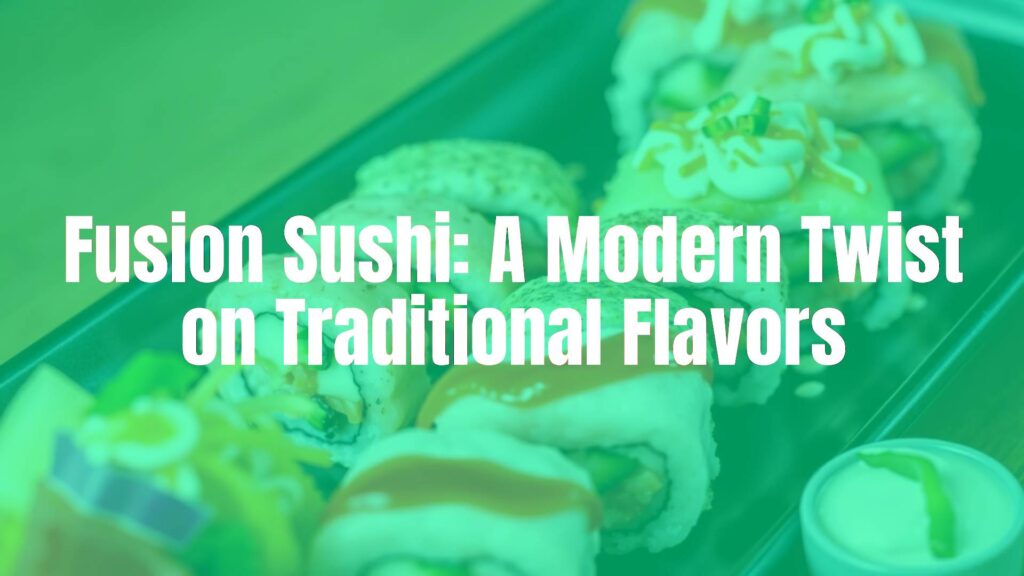
Fusion sushi is a modern food trend that combines traditional Japanese sushi with flavors and ingredients from around the world. This approach offers a fresh twist on classic sushi, creating new taste experiences through unexpected pairings and creative presentations. Instead of strict traditions, fusion sushi celebrates new ideas, blending different cultures into every bite. It’s all about rethinking the familiar to create dishes that feel both new and comforting.
With fusion sushi, chefs can mix and match ingredients, sauces, and styles from other cuisines that wouldn’t normally appear in Japanese food. This leads to unique rolls packed with exciting flavors, such as tropical fruits, spicy sauces, or creamy additions. If you enjoy trying new foods, fusion sushi is a chance to taste global influences, bite by bite.

What Is Fusion Sushi?
Fusion sushi is made by combining basic elements of sushi-like vinegared rice, seafood, and sometimes seaweed-with flavors, ingredients, and cooking styles from different cuisines. This combination is fun and flexible, creating totally original dishes that often reach beyond traditional sushi’s limits and attract people who might not usually eat classic sushi.
What sets fusion sushi apart is its flexible and creative mindset. The goal isn’t just to add new toppings, but to find combinations that work well together. Many of these dishes reflect city life, where global flavors come together in one place.
History and Background
Combining foods from different cultures has been around for a long time, but fusion sushi became popular in the late 1900s, mainly in Western countries. When sushi spread outside Japan, chefs adjusted their recipes to suit local tastes and ingredients. In California, for example, cooks used avocado and cream cheese, creating the famous California Roll.
This early creativity encouraged chefs around the world to include more ingredients from their own backgrounds, such as European sauces, Latin American spices, and Southeast Asian herbs. As international foods became easier to find, and people grew more interested in global cuisines, fusion sushi continued to evolve. Restaurants such as Fusion Sushi in Torrance and Hermosa Beach, and Newport Fusion Sushi in Newport Beach, are great examples of this ongoing trend, offering original takes on sushi that stay connected to both tradition and new ideas.
Difference From Classic Sushi
Fusion sushi and traditional sushi have some key differences. Traditional sushi, especially Edomae-zushi, sticks closely to Japanese customs. The focus is on simplicity, fresh ingredients, and careful technique. Dishes usually include raw fish, rice with vinegar, and maybe a little wasabi or soy sauce.
Fusion sushi uses the basic ideas of sushi but adds in new things like cooked meats, unusual fruits, spicy sauces, tempura, or flavors from different countries. It’s not just about the fish, but about mixing flavors and textures in fun ways. For example, instead of just tuna and rice, a fusion roll might have seared tuna, jalapeño, cilantro, and a mix of toppings and sauces.

What Makes Fusion Sushi Different?
Fusion sushi stands out because it gives chefs full freedom to experiment. There are no strict rules, so new and exciting combinations are always being created. This freedom allows for both surprises and personalized choices, welcoming anyone who wants to try something different from traditional sushi.
Fusion sushi is also easy for more people to try. If you aren’t comfortable with raw fish, you can choose from options with cooked ingredients or milder flavors, making sushi less intimidating for newcomers.
Creative Ingredients and Flavor Combinations
The real appeal of fusion sushi is the use of unexpected ingredients and creative flavor mixing. Chefs bring together different tastes and textures-such as sweet mango or pineapple, creamy avocado, or spicy sauces-to make each roll exciting in a new way.
There’s also a wide variety of sauces, like spicy mayo, sweet glazes, and citrus dressings, all making the rolls more interesting. The best places, like Asiatico on the Oregon Coast, focus on using great ingredients and balancing flavors carefully, even with unusual combinations.
| Classic Ingredient | Fusion Sushi Variation |
|---|---|
| Tuna on Rice | Seared tuna, jalapeño, cilantro, spicy mayo |
| Plain Avocado | Mango, avocado, sweet chili sauce |
| Cucumber Roll | Tempura shrimp, avocado, chipotle sauce |
Visual Style and Plating
While traditional sushi usually looks simple and elegant, fusion sushi is often colorful and bold. Chefs use bright toppings, creative sauce lines, fresh herbs, and sometimes even edible flowers to make the rolls stand out visually.
Food presentation is often a big part of the experience, with dishes designed to look vibrant and appealing-perfect for sharing photos, too. Well-presented fusion sushi can turn a meal into a memorable event.

Popular Styles of Fusion Sushi
Fusion sushi covers a huge range, with new ideas appearing all the time. Some types have become especially popular, offering a starting point for those new to the style or favorites for regular fans. These examples show just how flexible and varied fusion sushi can be.
- Creative Rolls: Many fusion rolls mix and match a range of fillings-fried shrimp, spicy tuna, veggies, and special sauces. For example, a “Dragon Roll” (with eel and avocado) or a “Rainbow Roll” (colorful fish on top) are now well-known.
- International Influences: Some rolls add Mexican flavors like jalapeño and cilantro, Italian ingredients like sun-dried tomato, or even French touches like special sauces. Restaurants like Newport Fusion Sushi highlight these international blends.
- Vegetarian and Vegan Options: Chefs now create plant-based rolls using things like roasted peppers, sweet potato, tofu, and creative sauces, opening up fusion sushi to even more people.

Why Choose Fusion Sushi?
Fusion sushi is a great option for many reasons. It’s fun to explore new flavors and textures, and it’s easier to accommodate special diets. It’s also a meal that’s more about sharing and enjoying with others, making it perfect for groups, date nights, or anyone looking for a lively experience.
Trying New Flavors
Fusion sushi helps people discover flavors they might not try otherwise. If you think regular sushi is too plain or unfamiliar, fusion sushi’s bold and varied tastes may be more appealing. Each roll is a small adventure, with different seasonings and influences from many countries.
Dietary Choices
Because fusion sushi doesn’t rely only on raw fish, there are many cooked, vegetarian, and even gluten-free options. Restaurants often use gluten-free soy sauce and mark dishes with common allergens, making it easier for people with different needs to choose what works for them.
Lively Eating Experience
Eating fusion sushi is often interactive and energetic, not just a simple meal. The creative displays and menu choices, along with the chance to share plates, add to the fun. Places like Newport Fusion Sushi are known for their lively, friendly atmosphere and creative food presentation.
Tips for Eating Fusion Sushi at a Restaurant
Trying fusion sushi for the first time? Here are some helpful hints to make your meal more enjoyable:
- Look for rolls that use flavors you already like (spicy, creamy, sweet, etc.).
- Ask the staff for suggestions-tell them your preferences, and they can point out popular or recommended rolls.
- Try sharing a few different rolls with your group to taste more styles.
- Check out “Chef’s Choice” rolls; these often feature the chef’s best new ideas.
Chef’s Specials and Popular Picks
Look for any specials or house favorites on the menu. These dishes often use the freshest ingredients or showcase new ideas. Places like Fusion Sushi often highlight these, and they can be a good way to try something new and well-liked.
Drink Pairings
Fusion sushi goes well with many drinks. Sake is traditional, but beer (especially Japanese brands), white wine, or sparkling water with a lemon can also match the flavors nicely. If you want something nonalcoholic, try iced green tea or a fresh juice.
Fusion Sushi for Events and Catering
Fusion sushi isn’t just for restaurants-it’s also a great choice for parties and special events. Because it’s so flexible and visually appealing, it works well for all kinds of occasions, from birthdays to big celebrations.
Creating Custom Sushi Menus
Many restaurants will work with you to make a custom menu for your event. You can ask for more vegetarian choices, focus on cooked items, or create rolls that match a certain color theme. Places like Asiatico and Fusion Sushi offer special event trays and options, making it easy to plan an event that fits your style.
Decorating Sushi for Events
Fusion sushi can be served in fun ways-like on large platters, in decorative boats, or even at a live sushi station where a chef assembles fresh rolls in front of your guests. Extras like edible flowers, herbs, and fancy serving plates can turn the sushi into a centerpiece for your party.

Questions People Ask About Fusion Sushi
As fusion sushi grows in popularity, many people have questions about what to expect, especially if they’re new to the idea. Here are some common questions and simple answers to help you feel ready to try it yourself:
Is Fusion Sushi Good for Kids?
Yes, fusion sushi can be great for kids. It often uses cooked ingredients and familiar flavors such as avocado, chicken, shrimp, and even some sweet items. Chefs are usually open to making milder rolls if needed, so don’t hesitate to ask for changes that fit your child’s tastes.
Are Gluten-Free Options Offered?
Most well-known fusion sushi places now offer gluten-free choices. Soy sauce usually contains wheat, but many restaurants keep gluten-free tamari available. Let your server know about your needs, and they can point out which dishes are safe to eat or can be changed for you. Avoid tempura or certain sauces if you’re unsure, but many other rolls will fit your diet with small adjustments.
