Introducing Orange Sushi: A Visual and Culinary Delight
Among the many fascinating varieties in Japanese cuisine, orange sushi is a visually captivating type that immediately stands out on any sushi platter. Known for its bold color, this sushi attracts both seasoned enthusiasts and newcomers alike. Whether it references the topping or the overall presentation, orange sushi offers a unique dining experience that combines allure with flavor.
What Defines Orange Sushi? Understanding Its Unique Appeal
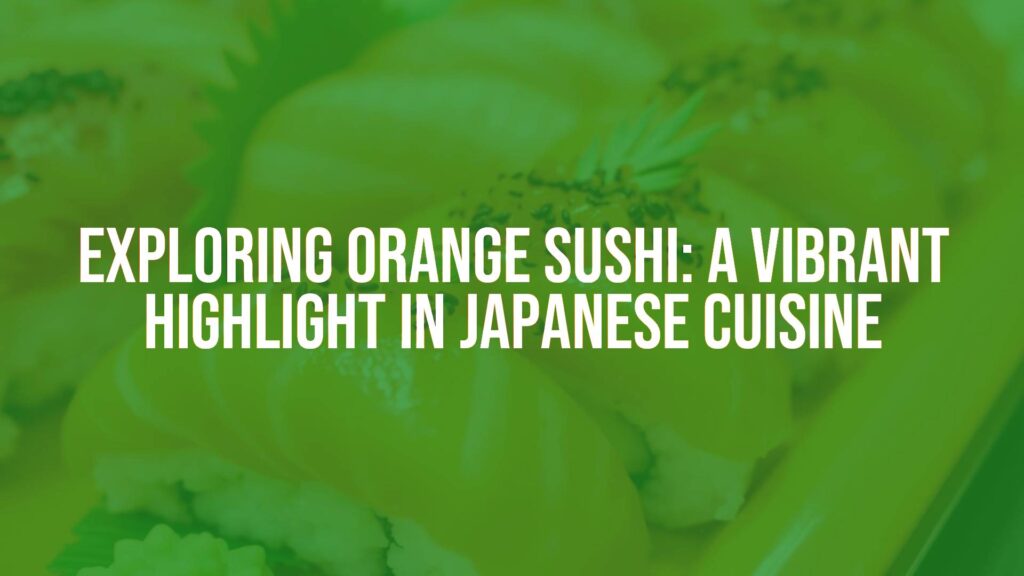
“Orange sushi” often refers to sushi pieces topped with brightly colored ingredients, such as salmon, masago (capelin roe), or tobiko (flying fish roe). While there is no single official definition, the common thread among orange sushi varieties is the use of an orange-hued topping that adds vibrancy and flavor. Whether it’s a slice of rich salmon draped over a nigiri, or a maki roll coated with crunchy fish roe, the radiant orange color makes this sushi both appetizing and distinct.
Main Ingredients and Flavor Profile of Orange Sushi
The quintessential orange sushi gets its color from ingredients like raw salmon, masago, or tobiko. Salmon delivers a buttery, delicate taste with a smooth texture, while masago and tobiko offer a subtle brininess and a satisfying pop. These toppings are often combined with lightly seasoned sushi rice and seaweed. The result is a harmonious blend of umami and mild sweetness, with an occasional crunch from the roe, making each bite both visually stimulating and flavorful.
Why Orange Sushi Is So Popular
Part of what draws people to orange sushi is its vibrant color and inviting presentation. The orange hue is symbolic of freshness and quality, often looking just as delightful as it tastes. Furthermore, the components used to create orange sushi are crowd-pleasers: salmon is revered for its smoothness and rich flavor, while fish roe adds a playful textural contrast. This appeal extends to both traditional and modern sushi menus, where orange sushi is often featured for its bright palette and dynamic taste.
Cultural Context and Origins of Orange Sushi
While orange sushi itself is not a historical category, the ingredients that lend it its signature color play important roles in Japanese culinary traditions. Salmon nigiri and sushi rolls topped with roe are essential fixtures in sushi bars, and have evolved over time to meet global tastes. With its fusion of tradition and innovation, orange sushi embodies the ongoing creativity of sushi chefs around the world.
Serving and Pairing Suggestions for Orange Sushi
Orange sushi shines both as an appetizer and a centerpiece in assorted sushi platters. It pairs beautifully with classic Japanese beverages such as green tea or cold sake, which help balance the rich flavors. For an enhanced experience, enjoy orange sushi with light accompaniments like pickled ginger, miso soup, or a crisp seaweed salad. These sides cleanse the palate and complement the delicate, savory notes of the main dish.
Nutritional Insights and Dietary Factors in Orange Sushi
Depending on the topping, orange sushi can offer excellent nutritional value. Salmon is loaded with high-quality protein and heart-healthy omega-3 fatty acids, while fish roe contributes vitamins, minerals, and antioxidants. However, those with seafood allergies should exercise caution, and some roe-based sushi may contain added seasonings like soy or mirin that could introduce gluten. Overall, orange sushi can be a nutritious option for many, adaptable to different dietary needs with careful ingredient choices.
Conclusion: The Enduring Charm of Orange Sushi
Orange sushi encapsulates the fusion of tradition and aesthetic appeal at the heart of Japanese cuisine. Its eye-catching appearance, rich flavors, and diverse textures make it a perennial favorite for sushi lovers worldwide. Whether you’re seeking a burst of color or a new taste adventure, orange sushi is a delightful choice worth celebrating and savoring.
