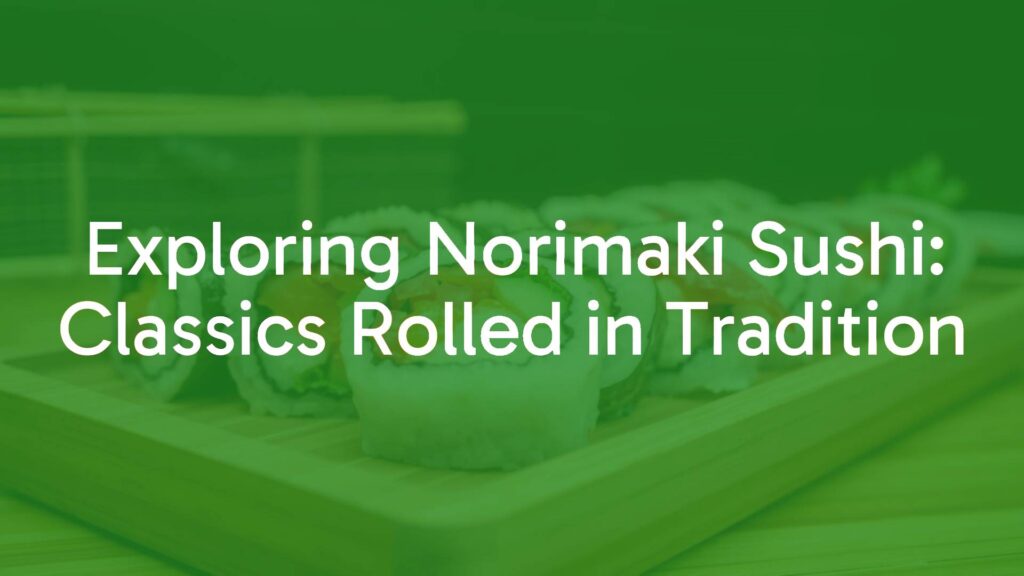
Norimaki Sushi: A Timeless Staple in Japanese Cuisine
Norimaki sushi is one of the most recognized and cherished forms of rolled sushi, effortlessly capturing the harmony and artistry that defines Japanese culinary tradition. This classic sushi style holds a special place among sushi lovers, admired for its intriguing appearance, versatility, and satisfying combination of flavors and textures.
What Defines Norimaki Sushi?
Norimaki, sometimes simply called “maki” or “makizushi,” refers to sushi rolls wrapped in sheets of nori (seaweed). The term “nori” means seaweed, while “maki” translates to “roll,” describing the fundamental nature of this style. Typically, vinegared rice and various fillings are layered onto nori sheets and then skillfully rolled using a bamboo mat, resulting in neat, cylindrical pieces that are sliced for serving. The defining feature of norimaki is the outer layer of nori, giving each bite a crisp and slightly salty edge that contrasts beautifully with the tender rice and vibrant fillings.
Signature Ingredients and Flavor Experience
Norimaki sushi is celebrated for its endless variety. The foundation is always sushi rice and nori, but the fillings can range from traditional raw fish and vegetables to cooked items like shrimp tempura or tamago (sweet omelet). Popular choices include cucumber (kappa maki), tuna (tekka maki), pickled daikon radish (oshinko maki), and an assortment of seasonal vegetables or seafood. This adaptability creates a mosaic of flavors—umami from the seaweed, subtle sourness from vinegared rice, and aromatic notes from the filling—ensuring an experience that is both balanced and refreshing. The slightly chewy texture of nori complements the soft rice and crisp fillings, making every bite pleasingly multifaceted.
Why Norimaki Sushi Captivates Enthusiasts
The enduring appeal of norimaki lies in its clean lines, inviting presentation, and sheer variety. Whether enjoyed as simple single-ingredient rolls or more elaborate combinations, norimaki offers something for every palate. Its manageable size and portability also make it a popular choice for lunchboxes, casual meals, and celebratory gatherings alike. For those new to sushi, norimaki serves as an approachable entry point, while aficionados appreciate the subtle nuances that different fillings and ratios of rice to nori can provide.
Tradition and Regional Roots
While norimaki sushi can now be found worldwide, its origins date back to the Edo period in Japan, when rolling sushi in seaweed provided a convenient way to store and carry food. Over time, chefs in different regions developed distinctive fillings and rolling techniques, reflecting local tastes and available ingredients. Norimaki remains central to festive occasions and is a common feature in homemade sushi traditions as well as formal sushi bars.
Serving Ideas and Perfect Pairings
Norimaki sushi is often served chilled or at room temperature, cut into uniform slices that showcase the colorful centers. Complementary sides such as pickled ginger (gari), wasabi, and soy sauce are traditional accompaniments. For beverages, green tea brings a pleasant bitterness that balances the savory sweetness of the rice and nori, while sake or light Japanese lagers can enhance its flavors. Pairing norimaki with small salads, miso soup, or even tempura creates a well-rounded dining experience.
Nutritional Insights and Dietary Information
Norimaki sushi is generally a nutritious option, especially when filled with lean fish or fresh vegetables. It is typically low in fat and provides a moderate amount of protein, fiber, and essential minerals from nori, such as iodine and vitamin C. However, those with sensitivities to gluten or fish should take care, as soy sauce and seafood fillings are common. Vegetable-based norimaki can easily be crafted to suit vegetarian or vegan diets, making it flexible for a range of dietary needs.
Embracing the Allure of Norimaki Sushi
Norimaki stands as a testament to the beauty of simplicity and the creativity at the heart of Japanese cuisine. Its enduring popularity speaks to both tradition and versatility, making it a must-try for anyone interested in sushi. Savoring norimaki is more than enjoying a meal—it’s participating in a cherished culinary ritual that celebrates balance, flavor, and the joy of edible artistry.
