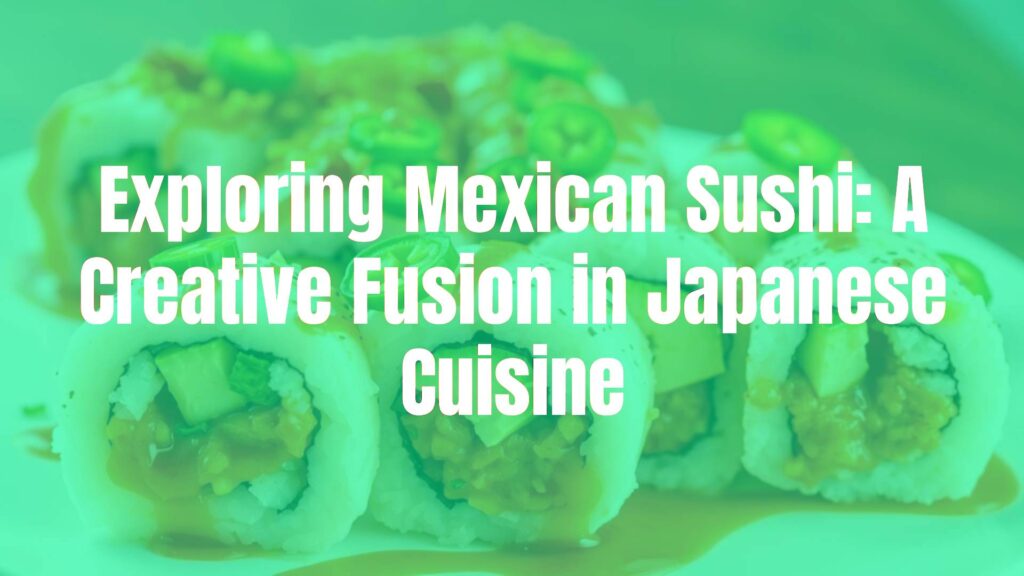
Introducing Mexican Sushi: A Delightful Fusion
Mexican sushi is a vibrant and inventive twist on traditional Japanese sushi, blending the flavors and ingredients of Mexican cuisine with the classic techniques of sushi making. This fusion dish captivates food lovers with its unexpected combinations, bold tastes, and colorful presentation, making it a standout option in contemporary sushi bars and cosmopolitan eateries.
What Sets Mexican Sushi Apart?
Unlike conventional sushi, Mexican sushi incorporates elements emblematic of Mexican gastronomy, such as jalapeños, avocado, spicy sauces, and sometimes even cooked meats like grilled chicken or beef. These rolls often go beyond the customary fish and rice, showcasing unique fillings and sauces that bring together the best of both worlds. The creativity and playful approach to ingredients make Mexican sushi a notable and exciting variation in the sushi landscape.
Signature Ingredients and Flavors in Mexican Sushi
Mexican sushi relies on a combination of traditional Japanese components—like sushi rice, nori (seaweed), and sometimes raw or cooked seafood—and iconic Mexican ingredients. Popular choices include creamy avocado, spicy salsas, pickled jalapeños, cilantro, chipotle mayonnaise, and sometimes even a crispy fried exterior or melted cheese. The blending of zesty, spicy, and creamy notes creates a memorable and layered flavor experience, with a harmony of textures from soft rice to crunchy vegetables or tempura elements.
Why Mexican Sushi Is Captivating Diners
This sushi style has found widespread appeal thanks to its approachable flavors and dramatic presentation. The playful use of spicy and rich sauces, combined with ingredients familiar to fans of Mexican food, makes it accessible for those who may be hesitant to try traditional sushi. Additionally, it offers a satisfying option for those seeking something a little heartier or unconventional, as well as for diners with varying dietary preferences.
Cultural Origins and Development of Mexican Sushi
Mexican sushi originated in northwestern Mexico, especially in states like Sinaloa, where chefs experimented with combining Japanese sushi techniques—introduced in the region decades ago—with local tastes and readily available ingredients. It quickly gained popularity, spreading to major cities in Mexico and eventually to the United States and beyond, becoming a testament to culinary innovation and cultural blending.
Serving Ideas and Pairings for Mexican Sushi
Mexican sushi is often presented as sliced rolls or even in a burrito-style wrap, accompanied by spicy sauces, lime wedges, and sometimes garnished with sesame seeds or fresh herbs. It pairs delightfully with beverages like horchata, cold Japanese beer, or a crisp sake. For a complete experience, consider serving it with edamame, a fresh salad, or pickled ginger, which helps cleanse the palate between bites.
Nutritional Insights and Dietary Points of Note
The nutritional profile of Mexican sushi varies, depending on its core ingredients. It can be a balanced source of protein, healthy fats (from avocado or seafood), and complex carbohydrates from rice. Be mindful of added sauces or fried elements, which may increase caloric content or introduce allergens like dairy or gluten. Vegetarian adaptations abound, featuring roasted vegetables, beans, or tofu, making this fusion style accessible to diverse dietary needs. Those with sensitivities to shellfish, nuts, or gluten should check ingredient lists or consult with the restaurant staff prior to ordering.
Celebrating the Spirit of Mexican Sushi
Mexican sushi embodies the creativity at the heart of modern cuisine, blending distinct traditions into something uniquely flavorful and visually engaging. Its fusion of spicy, creamy, and fresh elements invites both sushi aficionados and curious newcomers to savor an innovative approach to Japanese dining. Embracing Mexican sushi means appreciating the evolving, dynamic nature of culinary traditions and the delicious possibilities that arise when cultures meet at the table.
