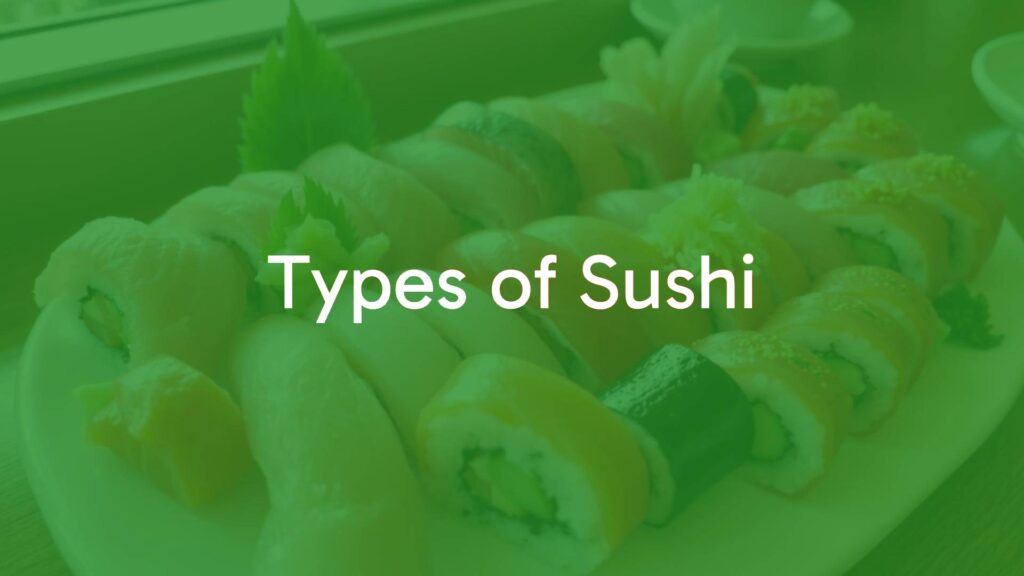
When you think of “sushi,” you might picture neat rolls of rice and fish, maybe a California roll or a simple tuna maki. However, sushi is more than just those popular options. Sushi refers to any dish made with vinegared rice, mixed with sugar and salt, and paired with foods like seafood or vegetables. Although sushi is a Japanese specialty, its earliest form-preserving fish in fermented rice-came from China. Modern sushi, as we know it, was developed in Japan. In this guide, we’ll walk you through the different styles of sushi, from classic forms to modern Western twists, and show that not every sushi is a rolled one. The most important part of sushi is actually the rice, not always raw fish.
Exploring different sushi types is interesting, with a history of changes and local traditions. From simple nigiri to complex “inside-out” uramaki, each offers something distinctive. We’ll look at what makes each style unique, highlight popular toppings and fillings, and compare these types to related dishes like sashimi. Whether you’ve enjoyed sushi for years or are new to it, there’s always something new to discover.

Main Types of Sushi
Sushi comes in many shapes and forms, more than most people expect. While rolled sushi is well-known, traditional Japanese sushi includes a wide range of presentations, from rice topped with ingredients to more creative designs. Seeing the main types helps you appreciate this well-loved food even more.
Nigiri (Nigirizushi)
Nigiri is one of the most common types of sushi in Japan. It is plain yet delicious and lets the main ingredients stand out. Unlike fancy rolls found in the West, nigiri is all about simplicity and skill. The name “nigiri” means “to grasp” because you shape it with your hands.
What is nigiri?
Nigiri consists of a small mound of vinegared rice topped with a piece of seafood, either raw or cooked. Sometimes, the chef puts a touch of wasabi between the rice and the topping for added flavor. Though raw fish like tuna or salmon is often used, you’ll also find nigiri with cooked seafood, egg (tamago), or vegetables. What sets nigiri apart is the way it brings out the pure taste and feeling of both rice and topping, with nothing hiding the ingredients.
Popular Nigiri Toppings
- Sake (Salmon): Raw salmon, orange in color and soft in taste.
- Maguro (Tuna): Raw tuna, offered in several cuts such as lean (akami), medium-fat (chutoro), and fatty (otoro).
- Ebi (Shrimp): Cooked shrimp, usually split and laid on rice.
- Unagi (Eel): Grilled eel with a sweet sauce, rich and hearty.
- Hamachi (Yellowtail): Raw yellowtail, mild and creamy.
- Hotate (Scallop): Raw scallop, soft and sweet.
- Tamago (Egg Omelet): Lightly sweet, fluffy cooked egg.
- Tako (Octopus): Cooked or raw octopus, chewy in texture.
- Uni (Sea Urchin): Raw sea urchin, creamy with a mild sea flavor.
These toppings are chosen for taste, feel, and looks, making each nigiri bite special.

Maki (Makizushi)
Maki means “roll” in Japanese, and it’s the sushi style that many people first think of. Maki is rice and filling wrapped up in a sheet of seaweed (nori) and then sliced into round sections. The roll holds all the ingredients together, making it easy to eat-even on the go. You’ll notice the layers when you look at the cut roll, just like a sandwich in a shell of rice and seaweed.
Futomaki vs Hosomaki
Maki comes in different sizes. The two main types are hosomaki and futomaki.
- Hosomaki: This is a thin roll with just one filling. The nori is outside, with rice and a single ingredient inside. Cucumber (Kappa Maki) and tuna (Tekka Maki) are common hosomaki. These rolls are small and simple.
- Futomaki: This thick roll holds several different fillings, making each piece more varied in taste and texture. Futomaki is often vegetarian, with egg, mushrooms, and vegetables. It’s popular at parties or in lunch boxes.
Both use nori on the outside and are cut into smaller pieces to eat easily.
Maki Roll vs Hand Roll
- Maki Roll: Rolled tightly with the help of a bamboo mat, then cut into bite-sized rounds. These are usually eaten with chopsticks and shared on plates, with all the fillings tucked inside.
- Hand Roll (Temaki): Rolled by hand and shaped like a cone, not sliced. You eat it by holding it in your hand, not with chopsticks. It’s more casual and often larger. The sushi burrito, a popular modern twist, is like an oversized temaki rolled in a big sheet of nori.
The biggest difference is how you eat them: maki is cut to share, while temaki is made for one person to pick up and enjoy directly.
Uramaki (Inside-Out Roll)
Uramaki, or “inside-out roll,” switches the usual order: the rice goes on the outside, while the seaweed is wrapped around the fillings inside. This style was invented in Los Angeles when a sushi chef wanted to hide the seaweed for customers who didn’t like its look. Uramaki rolls tend to have more room for fillings and are often rolled in sesame seeds or other toppings for extra flavor. While regular maki is more common in Japan, uramaki is the most popular type of sushi roll in the U.S. Many special Western rolls, such as the California Roll, are types of uramaki.
Temaki (Hand Roll)
Temaki means “hand roll,” and is a large cone of nori filled with rice and fillings like fish and vegetables. Unlike maki, temaki is put together by hand, not cut into pieces, and eaten by picking it up. Each cone can be personalized, making it fun for parties or casual meals. Sushi burritos, or “sushirrito,” are extra-large versions of temaki, combining sushi with the size and look of a burrito.

Gunkan Maki (Battleship Sushi)
Gunkan maki, or “battleship sushi,” gets its name from its boat-like appearance. It is an oval mound of rice wrapped with seaweed that stands up to form a little cup. This shape is perfect for holding toppings that couldn’t stay put on regular nigiri, like fish roe (tobiko, ikura), sea urchin (uni), or chopped seafood. The seaweed works like a wall, so soft or loose ingredients sit neatly on top.
Chirashi (Scattered Sushi)
Chirashi, meaning “scattered,” is sushi served as a bowl. Vinegared rice is placed in a bowl and topped with a mix of ingredients such as sliced fish, cooked items, vegetables, and colorful garnishes. Everything is arranged with care for a beautiful look. There are different styles-Tokyo’s version uses mostly raw seafood, while Osaka might use more cooked toppings and is more decorative. Chirashi is easy to serve at parties and lets everyone share from a large bowl or platter.
Inari (Inarizushi)
Inari sushi is different because it doesn’t usually have raw fish. Instead, you take a pouch of sweet-and-savory fried tofu and stuff it with sushi rice. The tofu, called aburaage, is simmered in a light broth before being filled. Named after a Japanese god who liked fried tofu, inari is popular as a snack, picnic food, or part of a lunch box. It’s chewy, sweet, and a good choice for anyone avoiding raw seafood.
Temari Sushi (Ball Sushi)
Temari sushi, called “ball sushi,” is shaped into small round balls. Toppings such as slices of fish or veggies cover the rice, and the balls are often colorful and pretty-like their namesake, the decorative Japanese toy ball. Temari is especially common on special occasions and is both fun to look at and eat.
Oshizushi (Pressed Sushi)
Oshizushi or “pressed sushi” started in Osaka as a way to store fish with rice. Ingredients are layered in a box-shaped wooden mold, pressed tightly, and then cut into rectangles or squares. Toppings include cooked or cured fish (like mackerel), vegetables, and sometimes garnish. The finished product has clean layers and a firm feel, showing how sushi connects to old ways of keeping food fresh.
Narezushi (Fermented Sushi)
Narezushi is the oldest style of sushi in Japan. A thousand years ago, people preserved fish by packing it with salt and rice and allowing it to ferment. Originally, only the pickled fish was eaten and the rice was thrown out. Over time, people began eating the rice too, and this eventually led to today’s sushi. Narezushi has a strong, sour taste and is now mostly found in traditional regions, such as Shiga. It marks sushi’s roots as a preserved food rather than a fresh one.
Sasa Sushi (Bamboo Leaf Sushi)
Sasa sushi comes from the mountain regions of Japan, especially Niigata and Nagano. It’s special because it’s served on a bamboo leaf, which acts as both plate and flavoring. Toppings usually include vegetables, mountain herbs, or sometimes fish. Sasa sushi shows a natural, simple way to enjoy sushi, using what’s available locally and highlighting freshness.
How Do Different Types of Sushi Compare?
With so many options, you might wonder how each kind of sushi differs, both in ingredients and style. Understanding these differences can help you order with confidence and try new types you might like.
Raw vs Cooked Sushi
Not all sushi is made with raw fish-many varieties use cooked seafood or other cooked ingredients.
- Raw Sushi: Nigiri with raw tuna or salmon, or simple maki rolls like Tekka Maki are typical examples. Sashimi, while not technically sushi because it has no rice, is simply sliced raw fish and is often served alongside sushi dishes. In Tokyo-style chirashi, raw seafood is a main feature.
- Cooked Sushi: Sushi can include cooked shrimp (ebi), grilled eel (unagi), egg omelet (tamago), or fried tofu (inari). Many Western-style rolls use cooked fillings, like tempura or imitation crab. Some sashimi is cooked, like grilled eel. This means those who don’t want raw fish have plenty to choose from.
The nutrition of sushi can change depending on whether you pick fish, vegetables, or fried ingredients like tempura. Sushi is suitable for many diets because it offers both raw and cooked options.
Sushi Rolls vs Nigiri vs Sashimi
- Sushi Rolls (Maki and Uramaki): Made with rice and fillings rolled in seaweed, then sliced into circles. Easy to eat and to share, with lots of ways to mix and match fillings, from fish to veggies or even cheese.
- Nigiri: Small, hand-shaped rice mounds topped with one ingredient (seafood, egg, or vegetable). The topping is the focus, and the combination with rice highlights taste and texture.
- Sashimi: Thin slices of seafood or meat, served plain with dipping sauces, but no rice. Sashimi is valued for its simple, fresh flavor, and is usually enjoyed with soy sauce and wasabi. It’s a choice for those avoiding carbs or rice.
To sum it up: sushi always includes rice, nigiri is rice plus a topping, maki and uramaki are rolled with fillings, and sashimi is just the sliced fish or meat without rice.

Most Popular Sushi Types in Japan and Globally
- Japan: Nigiri remains the top choice, celebrated for its clean flavors and focus on fresh fish. Maki rolls, especially simple ones like hosomaki and futomaki, are also very common. Sashimi is another mainstay, though it does not technically count as sushi.
- Worldwide (especially U.S.): Uramaki (inside-out rolls) is the best-seller, especially in the United States. These often look colorful and hold ingredients like avocado, tempura, and sauces. Rolls like California Roll, Rainbow Roll, or Dragon Roll are the most recognized. Nigiri and sashimi are also served but are usually chosen less often compared to the many creative rolls on offer.
This difference shows how sushi changes to fit local tastes but keeps its heart in Japan.
Western and Regional Sushi Variations
Sushi has changed as it’s spread around the globe. The U.S., in particular, has developed creative new rolls and styles, while Japan has its own local specialties influenced by ingredients and history.
Popular Western Rolls (California Roll, Dragon Roll, etc.)
Western countries, especially America, have added new ideas to sushi. Many popular rolls use cooked ingredients or sauces, and their look and taste fit local tastes more than traditional forms. Here are some common Western-style sushi rolls:
- California Roll: The most famous Western roll, made with crab or imitation crab, avocado, and cucumber. It has no raw fish and is an easy starting point for sushi beginners.
- Rainbow Roll: A California Roll topped with colorful slices of raw fish, giving a bright look.
- Dragon Roll: Filled with grilled eel or shrimp tempura and topped with sliced avocado, arranged to look like a dragon’s scales.
- Spicy Tuna Roll: Chopped raw tuna mixed with spicy sauce, usually topped with spicy mayo.
- Philadelphia Roll: Combines smoked salmon with cream cheese and sometimes cucumber or avocado for a creamy texture.
- Shrimp Tempura Roll: Crunchy fried shrimp with cucumber or avocado, another cooked favorite.
These rolls show how sushi can change to suit new places, adding ingredients and flavors not usually found in traditional Japanese sushi. New ideas like the sushi burrito (sushirrito) have also become trendy.
Japanese Regional Sushi Specialties
- Oshizushi (Osaka): Pressed sushi with cured or cooked fish, shaped into rectangles using a mold.
- Chirashi (Tokyo vs Osaka): In Tokyo, more raw seafood is placed over rice. In Osaka, chirashi looks fancier and uses more cooked or mixed toppings.
- Sasa Sushi (Niigata and Nagano): Mountain-area sushi with rice and vegetables served on a bamboo leaf for flavor and presentation.
- Narezushi (Shiga): The old, fermented style, still found in Shiga. It’s tangy, strong-smelling, and not as common as other types, but a link to sushi’s origins.
- Temari Sushi: Ball-shaped, decorative sushi served at celebrations and gatherings, popular in family homes.
These special types reveal how sushi takes on different appearances and flavors depending on the place and occasion.
Sushi is much more than just rolled-up fish and rice. Every type, from the simple nigiri to creative Western rolls, tells a story of change and tradition. The most important part is the vinegared rice, which sets sushi apart from other seafood dishes. By learning about the differences between maki, nigiri, and sashimi, and seeing how sushi varies in different places, you can make choices that suit your taste. Next time you’re at a sushi restaurant, remember the many options to choose from. Try something new-maybe a ball-shaped temari or a big chirashi bowl. Each type gives you a taste of Japanese culture and creativity, and there’s always a new flavor to discover.