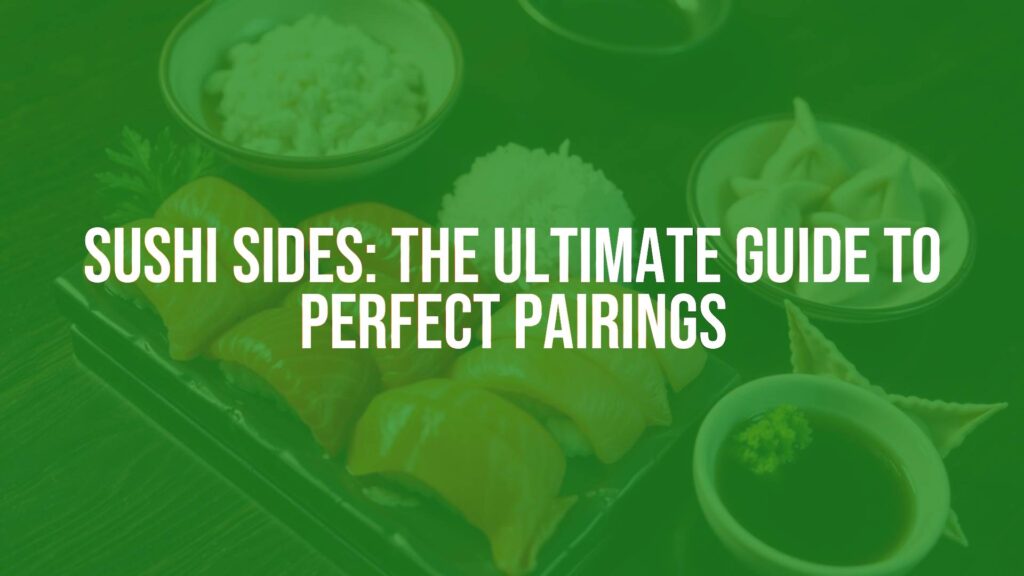
Sushi is a complete meal on its own, combining seasoned rice, fresh fish, and vegetables. However, including well-chosen sides can turn a basic sushi meal into a bigger and more satisfying experience. The right extra dishes add variety, new flavors, and make the meal more filling, giving you a full plate without the need to buy endless sushi rolls.
If you’re making sushi at home, preparing a Japanese platter to share, or just want to add something healthy to a regular sushi dinner, there are lots of great side dishes to choose from. You can pick classic Japanese foods or try easy Asian-inspired dishes. These sides bring different textures, flavors, and a nice balance to the soft and delicate sushi dishes.

How to Pick the Best Sides for Sushi
Picking sides for sushi is more than just choosing random foods. The key is to add to the sushi meal, not take away from its simple taste. Think about having a balance in flavors, textures, and also consider everyone’s dietary choices to make the meal enjoyable for all.
Mixing Flavors and Textures
Sushi is known for its delicate taste and soft, tender fish with chewy rice. Good sushi side dishes usually offer something different-a bit of crunch, some tang, or maybe a little warmth to match the cool sushi. For example, crispy tempura or a tangy cucumber salad are great options. Finding the right balance between sweet, salty, savory, and spicy will make your meal more interesting.

Making Sides Work for Everyone
Many people have different dietary needs-like being vegetarian, vegan, or gluten-free-so offering several sushi sides lets everyone enjoy the meal. Vegetable dishes like edamame, salads, and tofu are great for those avoiding meat. Many Japanese sides are also naturally gluten-free, but be careful to check labels, especially for things like sauces. Providing different options means everyone can find something they like.
Picking Sides for Different Types of Sushi
The type of sushi matters too. If you’re eating simple nigiri or sashimi, a light miso soup or seaweed salad is a good match. For heavier rolls or rolls with sauces, try pickled veggies or cucumber salad for something fresh. Heartier sushi, like rolls with fried ingredients, goes well with warm sides like gyoza or karaage chicken. Matching the side with the type of sushi makes the whole meal feel put together.
Traditional Sushi Sides
Traditional Japanese sushi sides are common in most Japanese restaurants and aren’t just for looks. Each one has a reason-like cleaning your palate or adding nutrition-to make the meal better.
Edamame Beans
Edamame are green soybeans in their pods and are very common with sushi. They have a mild, creamy taste and are fun to eat. Plus, they’re packed with protein and fiber. They’re quick to make-just boil the pods and salt them lightly.
Miso Soup
Miso soup is a key part of Japanese meals. Made from fermented soybean paste (miso) and dashi broth, it often includes tofu and green onion. Miso soup is light but warm and flavorful, making it a good start or break between sushi bites.
Japanese Pickles (Tsukemono)
Pickled vegetables show up at most sushi meals. Pickled ginger (gari) is the most familiar; it’s sweet, tangy, and a bit spicy-great for clearing your taste buds between different sushi pieces. Other pickles, like yellow daikon, pickled cucumbers, or purple shiba zuke, add crunch and a bit of sharpness to the meal.
Seaweed Salad
Seaweed salad, usually made from wakame, is light and colorful, with a mix of sweet and savory flavors. Dressed in sesame sauce and sometimes with added cucumber for extra crunch, it’s a healthy, not too heavy side for sushi meals.
Gari (Pickled Ginger)
Although covered above, gari deserves special mention. Its main job is to clean your palate so you can enjoy each piece of sushi without leftover flavors. The sweet and tangy slices of ginger are an important part of a sushi platter.

Vegetable Sides That Go With Sushi
Besides the classic options, you can serve sushi with various vegetable sides that add freshness and crunch. These dishes are usually light and don’t take away from the sushi’s delicate taste.
Cucumber Salad (Sunomono)
Sunomono is a light Japanese cucumber salad. It’s thin cucumber slices in a dressing of rice vinegar, sugar, and a splash of soy sauce. The result is crisp and a little sour, helping clean your palate. Often, sesame seeds are sprinkled on top.
Japanese Spinach Salad (Goma-ae)
Goma-ae is a simple salad of blanched spinach tossed in a nutty sesame dressing. It’s tasty, healthy, and easy to make, giving you a green side that isn’t too filling.
Kani Salad
Kani salad is made from shredded imitation crab, sliced cucumber, and sometimes mango, mixed with a creamy, slightly spicy mayonnaise dressing. Some recipes add crunchy panko or fish roe for texture. This salad adds sweetness, creaminess, and a fun twist to the table.
Grilled Vegetables
Grilled veggies, such as asparagus, shishito peppers, or bok choy, bring a smoky taste and a warm texture that’s different from cold sushi. Prepare them with simple seasoning or a touch of sesame, and they’ll liven up both the look and taste of your sushi meal.
Tofu and Other Plant-Based Sides
Tofu is a big part of Japanese food and comes in many forms that work well with sushi. Tofu dishes are protein-rich and can take on different flavors easily.
Agedashi Tofu
Agedashi tofu is made from tofu cubes dusted with starch and fried until crisp, then served in a warm, flavorful broth. Topped with grated daikon, ginger, and green onion, it’s both light and satisfying, and fits in perfectly with sushi.
Teriyaki Tofu
Teriyaki tofu is a good choice for anyone who loves a sweet and savory glaze. Pan-fried or baked tofu is covered in teriyaki sauce, resulting in a side dish that is full of flavor and has a nice texture contrast.
Crispy Tofu Bites
Cubes of tofu are fried or air-fried until golden and crispy. You can season them in many ways or serve them with a dipping sauce such as ponzu, spicy mayo, or sweet chili. They’re crunchy, light, and make a great snack or side for sushi.

Popular Sushi Side Appetizers
For more filling options, classic Japanese appetizers are a great choice. These bring different types of flavors and cooking techniques to your meal.
Gyoza (Japanese Dumplings)
Gyoza are pan-fried dumplings stuffed with meat (usually pork or chicken) and veggies. They’re fried on one side for crunch, then steamed to cook through. Served with a tangy dipping sauce, gyoza are flavorful and go well with lighter sushi rolls.
Tempura Vegetables
Tempura vegetables are lightly battered and deep-fried until golden. Common choices include sweet potatoes, zucchini, and peppers. The light, crispy coating adds crunch and a touch of sweetness, working well as a warm side to sushi.
Chicken Karaage
Chicken karaage is Japanese-style fried chicken, marinated in soy sauce, ginger, and garlic, then coated in starch and fried until crispy. It’s juicy on the inside and crispy outside, making it a more filling side for those who want meat with their meal.
Tamagoyaki (Japanese Omelette)
Tamagoyaki is a rolled Japanese omelette with sweet and savory flavors. Its layers are soft but hold together, with a slight sweetness. It can be served warm or cold, providing a mild contrast to the sushi.

Fish and Meat Sides Often Served with Sushi
Even though sushi usually has fish, sometimes you want another cook fish or meat option. These sides give your meal more variety and a mix of hot and cold dishes.
Teriyaki Chicken
Teriyaki chicken uses chicken thighs cooked with a sweet-salty sauce made of soy, mirin, sake, and sugar. It’s caramelized and sticky, offering more protein and flavor for your sushi meal.
Salmon Teriyaki
Salmon teriyaki is just like chicken teriyaki but uses salmon. The fish is flaky and fatty, coated in teriyaki sauce, and pairs well with sushi by giving you a cooked seafood option.
Hamachi Kama (Grilled Yellowtail Collar)
Hamachi kama is the collar cut of yellowtail-rich and fatty, simply seasoned and grilled until crisp on the outside and juicy inside. It’s a treat that gives you a deeper, savory flavor next to your sushi.
Seared Scallops
Seared scallops are quickly cooked to form a crust while staying soft and sweet inside. Served simply with salt or a hint of citrus sauce, they add another type of seafood taste and a bit of luxury to your meal.
Soups and Noodle Sides with Sushi
Besides miso soup, other soup and noodle dishes fit well with sushi, adding warmth and making the meal more filling.
Clear Soup (Osuimono)
Osuimono is a clear, dashi-based soup-lighter than miso soup. It usually has mushrooms, tofu, or seaweed. It helps clean your palate and gives a gentle, comforting element to your meal.
Udon Noodles
Udon noodles are thick and chewy, served in a light broth with green onions and sometimes a tempura topping. This warm, simple noodle soup is great for adding something more filling to your sushi dinner.
Yaki Udon Stir Fry
Yaki udon is a stir-fried noodle dish using thick udon noodles, fresh veggies, and sometimes chicken, beef, or tofu in a savory soy sauce blend. It’s a good choice when you want a heartier side on the table.

Best Sauces and Condiments for Sushi Sides
Special sauces and dips can bring out the best in sushi sides. These are the most popular ones found at any Japanese meal:
| Sauce or Condiment | Description | Best With |
|---|---|---|
| Soy Sauce | Salty and savory; classic for dipping | Sushi, gyoza, tempura |
| Wasabi | Sharp and spicy green paste | Sushi, tempura, some veggies |
| Ponzu Sauce | Citrus-flavored soy sauce | Tempura, grilled fish, tofu |
| Spicy Mayo | Creamy mayo with chili sauce | Kani salad, crispy tofu, tempura |
Answers to Common Questions about Sushi Sides
People often have a few main questions about sushi sides. Here are some simple answers:
Can Sushi Sides Be Made Ahead of Time?
Yes, you can often make sushi sides in advance. Edamame, salads, and pickles can be prepared a day or two early and kept in the fridge. Sauces can be mixed ahead too. For fried or cooked sides like gyoza or karaage, it’s best to prep the filling or marinade ahead, then cook them fresh for the best taste. Always follow recipe advice for how to store and reheat each dish.
Are Sushi Sides Gluten-Free?
Many Japanese sides are gluten-free by nature, but you do need to read ingredient labels carefully. Regular soy sauce has wheat, so choose tamari if you need a gluten-free option. Some miso types and all tempura batters usually have gluten, unless made with gluten-free ingredients. Plain edamame, pickled ginger, and seaweed salad are usually safe, but always ask or check when serving someone who can’t have gluten.
What Are Good Vegetarian Sushi Sides?
There are plenty of veggie sides to go with sushi. Some of the best include:
- Vegetable Salads: Cucumber Sunomono, Spinach Goma-ae, and Seaweed Salad
- Tofu Dishes: Agedashi Tofu, Teriyaki Tofu, and Crispy Tofu Bites (just check the broth for animal products if you want it vegan)
- Vegetable Tempura: Crunchy and delicious; use egg-free batter for vegan, gluten-free flour if needed
- Japanese Pickles: A mix of pickled veggies for sharpness
- Grilled Vegetables: Simple grilled asparagus, peppers, or other veggies
- Vegetarian Gyoza: Dumplings filled with vegetables only
A little preparation will help you make a table full of tasty vegetarian sushi sides everyone can enjoy.