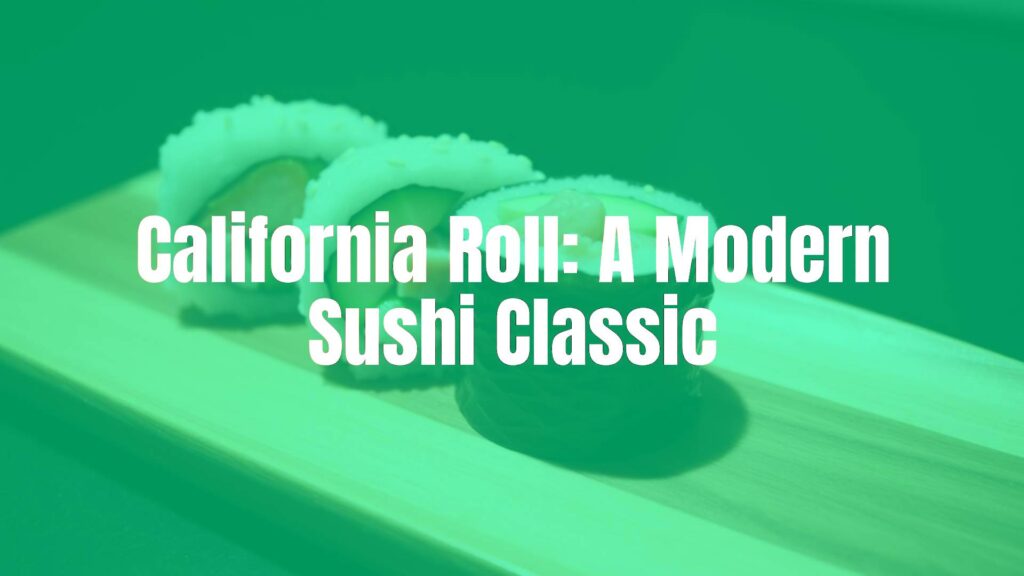
Introduction to the California Roll
The California roll stands as one of the most recognizable and beloved variations in the world of sushi. Emerging from the interplay of Japanese tradition and North American innovation, this sushi roll has become a gateway introduction for many to the larger sushi experience. Its blend of accessible flavors and textural appeal make it a staple in sushi bars and grocery stores alike.
Exploring the California Roll: What Sets It Apart?
At its core, the California roll is a type of maki sushi that flips convention on its head. Unlike traditional maki, which encases the filling inside a seaweed wrapper with rice on the outside, the California roll is an uramaki—meaning the rice wraps around the outside. The typical filling includes imitation crab (or real crab), creamy avocado, and crisp cucumber, creating a harmonious balance of taste and texture. A sprinkling of sesame seeds or tobiko on the exterior not only adds flavor but gives the roll its distinctive look.
Signature Components and Tasting Notes of the California Roll
The main elements of a classic California roll are sushi rice, nori (seaweed), cooked imitation crab stick (kanikama) or real crab, ripe avocado slices, and cucumber strips. The sushi rice is often seasoned lightly to offer a tangy sweetness, while the nori adds an oceanic undertone. The avocado provides a buttery richness that contrasts beautifully with the crisp, refreshing bite of cucumber. When topped with glistening sesame seeds or crunchy fish roe, each bite is a delightful interplay of softness, crunch, and creamy textures, underscored by subtle umami and savory notes.
The Enduring Popularity of the California Roll
One reason for the California roll’s widespread acclaim is its approachability—it contains no raw fish, broadening its appeal to those new to sushi or cautious about trying uncooked seafood. Its mild yet satisfying flavors and inviting appearance make it a favorite among both adults and children. The roll’s ability to balance creamy, savory, and fresh ingredients ensures it remains a crowd-pleaser, often chosen for parties, lunch boxes, or casual dining.
Origins and Cultural Significance of the California Roll
The California roll is credited to sushi chefs in Los Angeles during the 1960s and 1970s, who adapted traditional sushi to suit American tastes and ingredient availability. Ingeniously substituting avocado for fatty tuna and introducing the inside-out roll presentation, the California roll ushered in a wave of sushi creativity in the West. It played a pivotal role in introducing sushi culture to broader audiences and continues to symbolize the fusion of culinary traditions.
Best Ways to Enjoy California Rolls: Pairing and Presentation
California rolls are typically served in bite-sized rounds, often accompanied by pickled ginger, wasabi, and soy sauce for dipping. Their delicate flavor pairs wonderfully with light beverages like green tea or dry sparkling sake. For a balanced meal, consider enjoying California rolls alongside a bowl of miso soup or a simple seaweed salad. The versatility of this roll also makes it a great addition to sushi platters, offering a familiar choice amidst more adventurous selections.
Nutrition and Dietary Insights Relating to California Rolls
From a nutritional perspective, California rolls are generally lower in calories and fat compared to some other sushi types. They provide a moderate source of protein (primarily from crab or imitation crab), healthy fats from avocado, and complex carbohydrates from seasoned rice. As the roll typically includes imitation crab, those with shellfish or gluten sensitivities should inquire about specific ingredients, as surimi (imitation crab) can sometimes contain both. Vegetarian versions are also common, simply omitting the seafood element and adding extra veggies or tofu.
Conclusion: Celebrating the California Roll’s Unique Place in Sushi Culture
The California roll bridges traditional Japanese craftsmanship and Western culinary preferences, offering a delicious, approachable entry point into the world of sushi. Its signature combination of flavors, textures, and modern origin story continually invites both first-time tasters and sushi aficionados to enjoy its simple yet satisfying charm.
