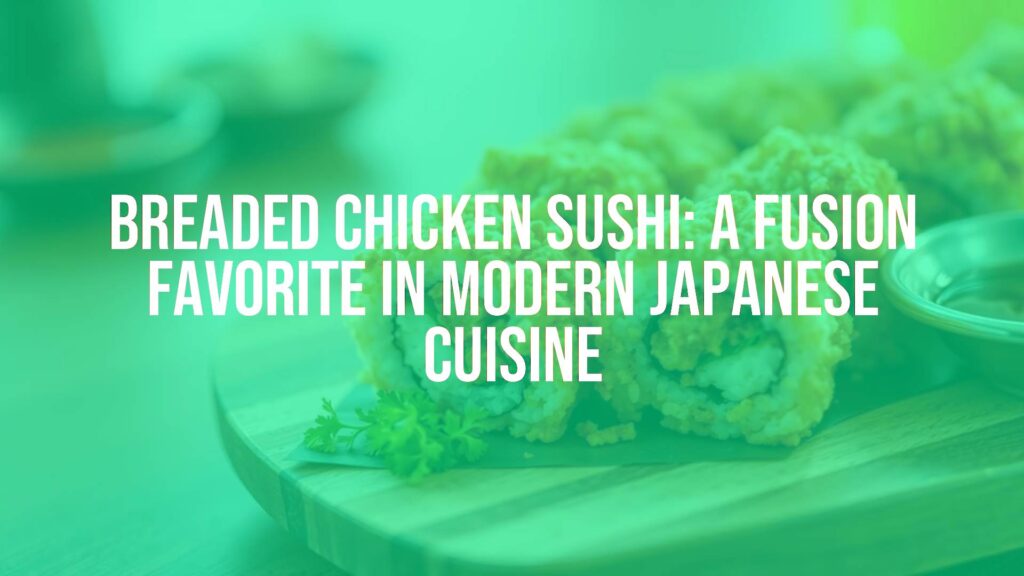
Discovering Breaded Chicken Sushi: Where Tradition Meets Innovation
Breaded chicken sushi is a delightful modern twist on classic Japanese sushi, merging the universally loved texture of crispy chicken with the clean flavors and artistry of sushi-making. This unique combination has captivated diners who seek both comfort and novelty in their sushi experience.
What Sets Breaded Chicken Sushi Apart?
Unlike traditional sushi varieties that often highlight raw fish or simple vegetable fillings, breaded chicken sushi stands out by incorporating tender chicken pieces coated in crunchy breadcrumbs, typically deep-fried to a golden perfection. Rolled or layered with seasoned sushi rice and nori (seaweed), this sushi form delivers a satisfying blend of flavors and textures, setting it apart in both taste and appearance.
Main Components and Flavor Profile of Breaded Chicken Sushi
The star ingredient is succulent chicken breast or thigh, lightly seasoned, breaded, and fried in a Japanese-style panko crumb for extra crispiness. This is coupled with vinegared sushi rice, adding a tangy undertone that balances the savory richness of the chicken. Often, fresh vegetables such as cucumber, avocado, or lettuce are layered for a refreshing crunch and contrast. The final presentation may include a drizzle of teriyaki sauce, spicy mayo, or a sprinkle of sesame seeds, enhancing both flavor and visual appeal.
Why Breaded Chicken Sushi Appeals to Many
This sushi variation is especially popular among those who are new to sushi or prefer cooked proteins over raw seafood. The familiar taste of breaded chicken makes it approachable for children and adults alike, while its eye-catching presentation and satisfying texture earn it a place in both casual and gourmet settings. Its flexibility in ingredients allows for creative customizations, catering to a variety of taste preferences.
Breaded Chicken Sushi: Modern Roots and Influence
While not a staple of traditional Japanese cuisine, breaded chicken sushi finds its roots in the ongoing global evolution of sushi, particularly in fusion restaurants and Western-style sushi bars. Inspired by Japanese favorites like chicken katsu, this sushi adapts comfort food elements to the sushi paradigm, making it a hallmark of contemporary, cross-cultural culinary exploration.
Serving and Pairing Breaded Chicken Sushi for Maximum Enjoyment
Typically presented as sushi rolls or nigiri, breaded chicken sushi pairs well with zesty dipping sauces such as ponzu, spicy mayo, or a mild soy-based glaze. Complement your meal with beverages like light green tea or chilled sake, which can cleanse the palate between bites. As a hearty sushi type, it works beautifully alongside light appetizers like seaweed salad, edamame, or pickled ginger to balance its richness.
Nutritional Considerations: Is Breaded Chicken Sushi Right for You?
Breaded chicken sushi offers a good source of protein from the chicken, carbohydrates from the rice, and additional vitamins from any included vegetables. However, the frying process does add calories and fat, which may be a consideration for those monitoring their intake. This sushi option is naturally free from shellfish and can be a suitable choice for those avoiding seafood, but it is not gluten-free due to breadcrumbs and some sauces. Variations can be made for those seeking lower-fat or gluten-conscious options by opting for baked chicken or gluten-free breading.
Savoring the Experience: The Lasting Appeal of Breaded Chicken Sushi
Breaded chicken sushi is a testament to the versatility and creativity found in modern sushi cuisine. Its comforting flavors and inviting texture make it an excellent gateway for those exploring Japanese dishes for the first time, while still offering enough nuance to entice seasoned food lovers. Whether enjoyed for its fusion flair or as a satisfying meal, breaded chicken sushi invites everyone to appreciate the harmony between tradition and innovation.
