Introduction to Battered Sushi
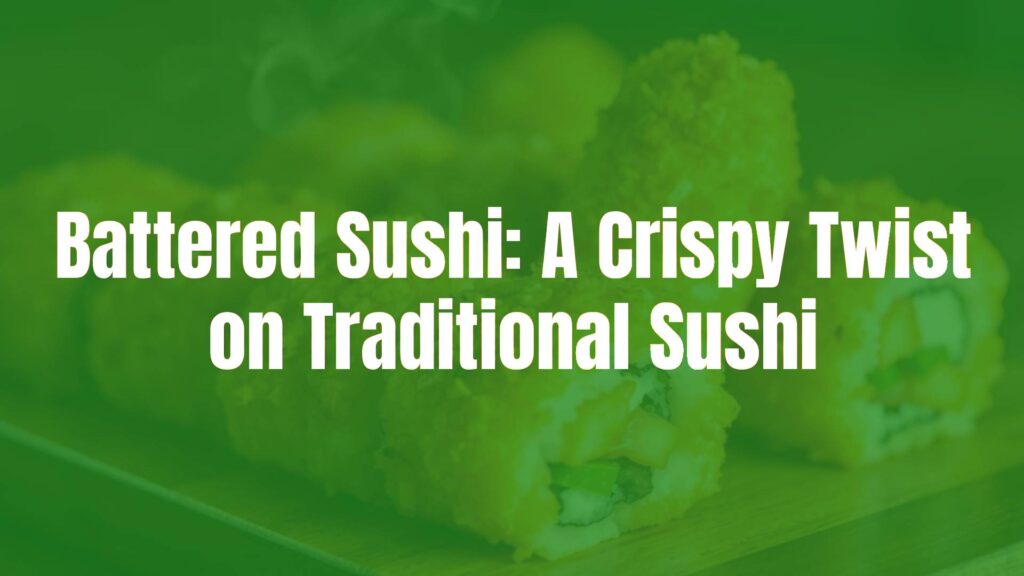
Battered sushi is an inventive fusion dish that brings together the essence of Japanese sushi with the appealing crispness of fried foods. Unlike traditional, delicate sushi bites, battered sushi is encased in a golden, crunchy coating, bridging the gap between sushi lovers and fans of tempura or fried cuisine. Its unique textural contrast and visual allure make it a fun and contemporary option on modern sushi menus.
Battered Sushi Explained: Defining Its Standout Qualities
At its core, battered sushi involves sushi rolls or individual pieces that are dipped in a light tempura batter and briefly deep-fried. This process creates a crispy exterior while keeping the rice and fillings tender inside. Whether it’s full rolls or select pieces, the battering technique sets this sushi apart from traditional raw or simply prepared counterparts, giving it a distinct crunch and a satisfying mouthfeel.
Core Ingredients and Flavor Profile
Battered sushi typically starts with classic sushi rice, filled or topped with ingredients such as fish (like salmon, tuna, or shrimp), vegetables (such as avocado or cucumber), or even specialty fillings. The sushi is then dipped in a tempura-style batter made from flour, water, and sometimes egg before being quickly fried. The result is a harmonious blend of the creamy sushi interior and the crisp, lightly seasoned shell. Sauces like spicy mayonnaise or eel sauce are commonly drizzled on top, adding even more layers of flavor and visual appeal.
Why Battered Sushi is Beloved
The popularity of battered sushi lies in its irresistible texture and modern flair. The hot, crunchy coating delivers a playful twist, making it approachable for those hesitant about raw fish. The combination of familiar sushi flavors and the indulgence of fried foods appeals to adventurous eaters as well as those seeking comfort. Additionally, it makes for an eye-catching dish that’s perfect for social dining experiences or special occasions.
Origins and Culinary Context
Battered sushi draws inspiration from both traditional sushi-making and Japanese tempura techniques. While it does not have a centuries-old legacy, it exemplifies the global evolution of Japanese cuisine, particularly in Western countries. Battered sushi—sometimes referred to as “crispy rolls” or “tempura rolls”—has become a staple in contemporary sushi bars, especially in creative or fusion-focused establishments.
Tasting and Serving Suggestions
Battered sushi is best enjoyed shortly after frying, when the batter is at its crispiest. It is commonly served with complementary sauces, pickled ginger, and a touch of wasabi. As for drinks, light Japanese lagers, sparkling sake, or even cold green tea balance the richness of the fried coating. Traditional side dishes like edamame, seaweed salad, or lightly dressed greens offer refreshing palate cleansers between bites.
Nutritional Perspective and Dietary Notes
While battered sushi can provide a satisfying mix of protein (from fish or tofu) and carbohydrates (from sushi rice), it is also higher in calories and fat due to the frying process. Diners should be mindful if watching fat intake or following a low-calorie diet. The batter typically contains wheat, so those with gluten sensitivities should inquire about gluten-free options. However, the availability of various fillings means battered sushi can sometimes be adapted for pescatarian or vegetarian diets, depending on preparation.
Embracing the Charm of Battered Sushi
Battered sushi is a testament to culinary innovation, merging tradition with new textures and flavors. Its crispy shell and comforting warmth offer a playful reinterpretation of familiar sushi, inviting both seasoned sushi aficionados and curious newcomers to explore something different. For anyone eager to experience sushi in a new light, battered sushi provides a delicious and memorable adventure.
