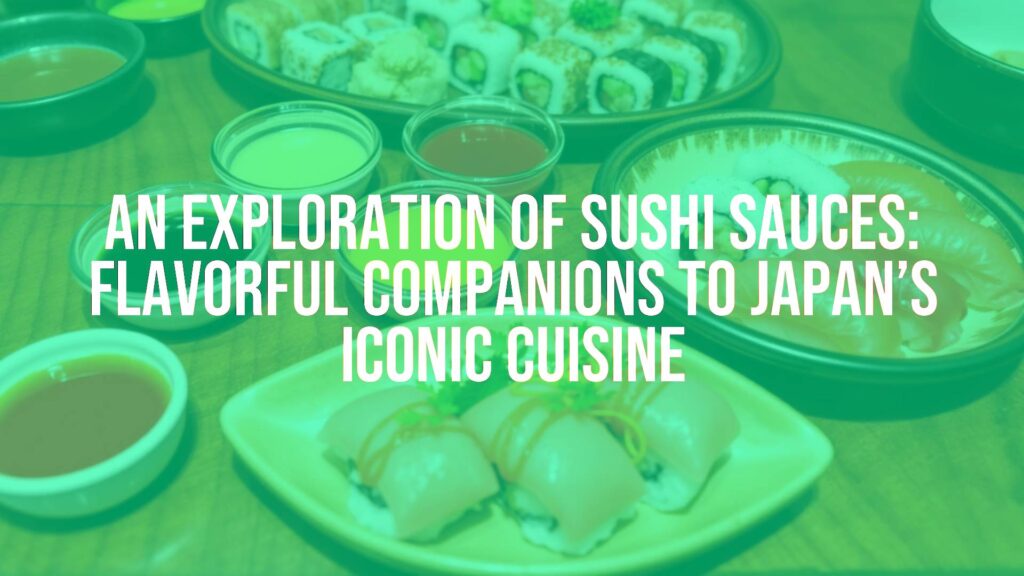
Discovering the Importance of Sushi Sauces
When savoring sushi, the delicate flavors of rice, fish, and vegetables are often enhanced by a carefully chosen sauce. Sushi sauces serve not just as condiments, but as integral components that highlight, balance, and elevate the overall sensory experience of Japanese cuisine. From subtle soy dips to sweet and savory glazes, each sauce brings its own character, inviting diners to explore new flavor dimensions with every bite.
Defining Sushi Sauces and Their Core Functions
Sushi sauces refer to a diverse array of liquids and reductions specifically crafted to complement sushi dishes. The most ubiquitous of these is soy sauce, but others—such as eel sauce (unagi no tare), ponzu, spicy mayo, and yuzu kosho—play pivotal roles in modern and traditional sushi alike. These sauces add umami, acidity, sweetness, heat, or aromatic nuances, and act as finishing touches that unify a sushi roll or nigiri’s composition. They provide flavor contrast, depth, and sometimes even act as a bridge between multiple ingredients on the plate.
Signature Attributes and Varieties of Sushi Sauces
Sushi sauces range widely in flavor, texture, and aroma. Classic soy sauce is salty and rich with a mild fermented fragrance. Eel sauce is thicker, sweet, and loaded with umami notes, while ponzu delivers a citrusy tang. Spicy mayo combines creamy richness with a gentle or pronounced heat, depending on its blend. Notable variations include gluten-free soy sauces, savorier dark soy sauces, and aromatic alternatives like yuzu ponzu or wasabi-infused blends. Homemade or restaurant-blended sauces often feature creative tweaks, such as introducing fruit, sesame or miso to tailor an even broader taste spectrum.
The Role of Sushi Sauces in Enhancing Every Bite
Sauces act as the finishing glaze or dip, transforming a simple bite into a complex flavor journey. A brush of eel sauce across an unagi nigiri brings caramelized sweetness and sheen, while a dab of ponzu atop sashimi imparts brightness and freshness. Spicy mayo drizzled over contemporary rolls introduces creaminess and a touch of heat, which can complement rich ingredients like tuna or avocado. Even a simple soy sauce dip has the power to amplify the umami profile of fish and seasoned rice, making sauces as essential as the core elements themselves.
Choosing, Preserving, and Evaluating Sushi Sauces
For those sourcing sushi sauces, high quality is defined by clarity of flavor and ingredient integrity. Opt for traditionally brewed soy sauces, which often have a smoother, deeper profile, or look for naturally derived ingredients in specialty sauces like eel or ponzu. Most sauces should be refrigerated after opening and kept in airtight containers to retain their potency. Watch for fresh aroma, consistent texture, and absence of artificial additives as signs of premium quality. If making sauces fresh, use within a week for peak flavor.
Creative Culinary Uses for Sushi Sauces Beyond Tradition
While sushi sauces are deeply rooted in Japanese cuisine, their versatility extends far beyond the sushi bar. Try drizzling eel sauce over grilled vegetables, mixing ponzu with salads and sashimi, or incorporating spicy mayo into poke bowls and seafood tacos. Soy sauce is a universal seasoning in marinades and stir-fries, while yuzu kosho adds a bold accent to noodles or grilled meat. The adaptability of these sauces inspires countless possibilities within Japanese fare and fusion dishes worldwide.
Nutritional Insights and Dietary Considerations
Sushi sauces can vary dramatically in nutritional content. Soy sauce offers some minerals but is high in sodium; low-sodium or tamari (gluten-free) versions are available for specific dietary needs. Eel sauce and spicy mayo typically contain added sugars and fats, so portion control is key for those monitoring calories or sugar intake. Always check labels for allergens like soy, wheat (gluten), or eggs in mayonnaise-based blends. Many sauces are vegan-friendly, but some (such as eel sauce) might include fish-based ingredients unless marked otherwise.
Conclusion: Sushi Sauces—An Irreplaceable Accent in Japanese Cuisine
Sushi sauces are more than mere condiments; they are artful components that bring harmony, excitement, and signature identity to every sushi creation. Their range—sweet, savory, spicy, tangy—ensures that each palate finds satisfaction and each sushi presentation is complete. Embracing the variety and artistry of sushi sauces promises both an authentic and endlessly inventive dining experience.
