Introducing Ebi Sushi: The Timeless Allure of Shrimp
Within the ever-evolving world of Japanese sushi, ebi sushi holds a special place as a perennial favorite among seafood lovers. Featuring succulent shrimp as its main ingredient, this type of sushi captivates palates with its subtle sweetness, tender texture, and refined visual appeal. Whether enjoyed in high-end sushi bars or casual eateries, ebi sushi exemplifies the delicate artistry that defines Japanese cuisine.
Understanding Ebi Sushi: What Sets It Apart?
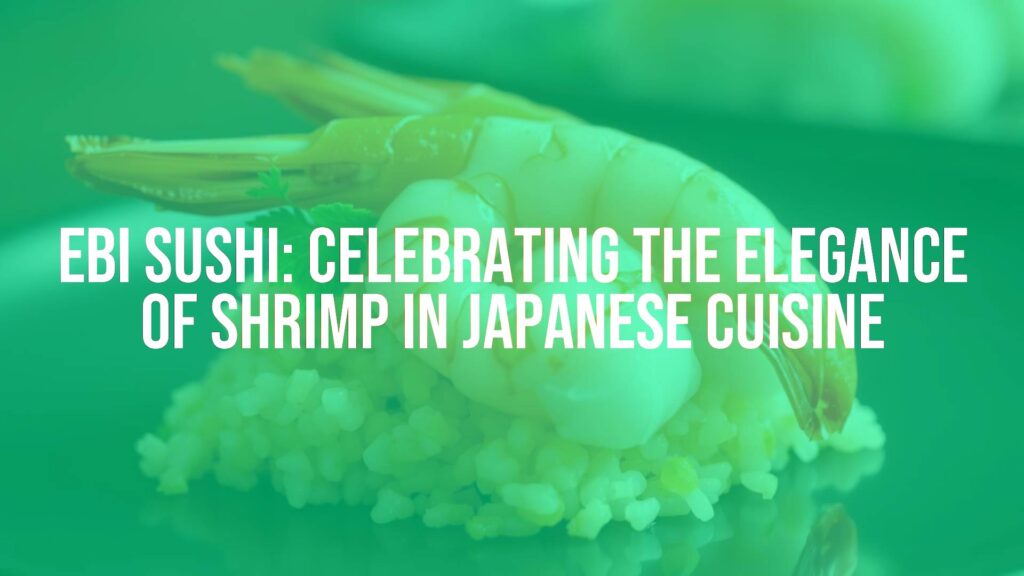
Ebi sushi refers to any sushi preparation that highlights shrimp, commonly served as nigiri. In its classic form, a gently boiled or steamed shrimp rests atop a compact mound of seasoned sushi rice, sometimes secured with a narrow strip of nori. Unlike raw fish toppings, ebi is typically cooked, giving it a unique place among sushi varieties for those who prefer seafood with a milder profile.
Ingredients and Signature Flavors of Ebi Sushi
The key ingredient in ebi sushi is shrimp, most often tiger prawn or Japanese kuruma ebi. The shrimp’s natural sweetness is accentuated through careful cooking, maintaining a juicy, slightly firm bite and a gleaming, pinkish hue. Complementing the shrimp, the sushi rice brings gentle acidity and a hint of umami, while occasional additions of wasabi or a brush of sweet soy enhance the flavor complexity. Visually, ebi sushi is recognized for its beautiful symmetry and the gentle curve of the shrimp atop the rice.
The Popularity and Unique Appeal of Ebi Sushi
Ebi sushi is beloved for its approachable taste and elegant simplicity. Cooked shrimp appeals to a wide range of diners, including those new to sushi or hesitant about raw seafood. Its delicate flavor, pleasing texture, and attractive presentation make it a staple on sushi menus worldwide. Ebi’s adaptability means it pairs well with various sauces and garnishes, further boosting its popularity.
Cultural Background and Regional Significance
Shrimp has long been revered in Japanese cuisine, symbolizing happiness and longevity. Ebi sushi’s origins can be traced to the early days of Edo-style sushi, where cooks skillfully prepared shrimp for both taste and visual impact. Certain regions in Japan, such as Tokyo and Osaka, have developed their own subtle techniques for cooking and presenting ebi, reflecting local seafood traditions.
Serving Suggestions and Recommended Pairings for Ebi Sushi
Ebi sushi is typically enjoyed as part of a multi-course sushi meal or as an individual treat. It shines when paired with light, aromatic beverages such as green tea or junmai sake, which highlight the shrimp’s nuanced sweetness. Traditional accompaniments like pickled ginger, miso soup, or edamame further enhance the tasting experience, cleansing the palate between bites and providing complementary flavors.
Nutritional Aspects and Dietary Points for Ebi Sushi
As a low-fat protein, shrimp delivers an impressive nutritional profile: essential amino acids, vitamin B12, and beneficial minerals such as selenium. Ebi sushi can be a good choice for those looking for high-protein, low-calorie options. However, individuals with shellfish allergies should avoid this sushi type, and those monitoring sodium intake should be mindful of soy sauce accompaniments. The presence of gluten is minimal unless sauces or marinades contain wheat derivatives.
Embracing the Delicacy of Ebi Sushi
With its charming appearance, gentle flavor, and cultural resonance, ebi sushi embodies the subtle sophistication of Japanese culinary traditions. Whether you are a long-time fan or a curious newcomer, exploring ebi sushi offers an opportunity to appreciate the harmony and elegance that define authentic sushi experiences.
